A new paper was published in Ichnos by Luis Buatois, Euridice Solórzano, Williams Rodríguez, and Gabriela Mángano examining Precambrian continental trace fossils in Venezuela.
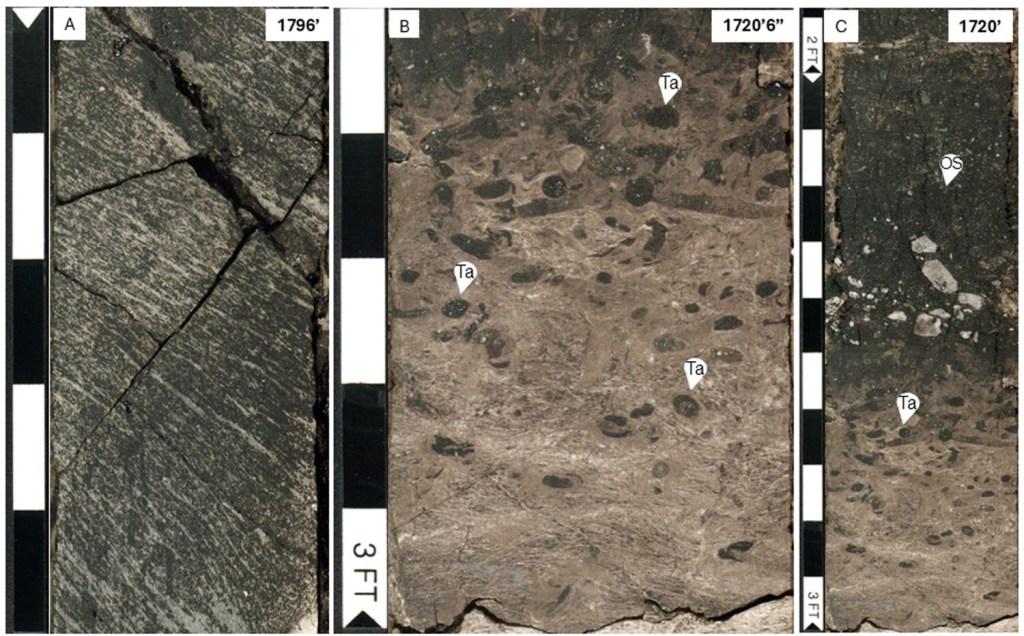
This study documents a specific type of simple ichnofabric referred to as an unconformity-bound simple ichnofabric. The well cores in this study feature the Precambrian basement of the Orinoco Oil Belt hosting continental ichnofossils attributed to Taenidium. The bioturbation is interpreted to have be produced in the Miocene in a regolith formed on top of the Precambrian basement. The ichnofabric found here is similar to ultracomposite ichnofabrics in that it involves a significant difference in time, but it is still considered a simple ichnofabric due to representing a single bioturbation event. This study highlights the importance of recognizing temporal disjunctions in the stratigraphic record that may mislead researchers about evolutionary events.
Metamorphic basement and monospecific ichnocoenosis of the meniscate backfilled trace fossil Taenidium isp. (Ta) in the Ayacucho area in the Orinoco Oil Belt. (A) Precambrian quartz micaceous schist. (B) Taenidium isp. (Ta) in basement regolith. (C) oil-impregnated sands (OS) from fluvial Miocene Oficina Formation filling Taenidium isp. Figure 3. from Buatois et al., 2026.
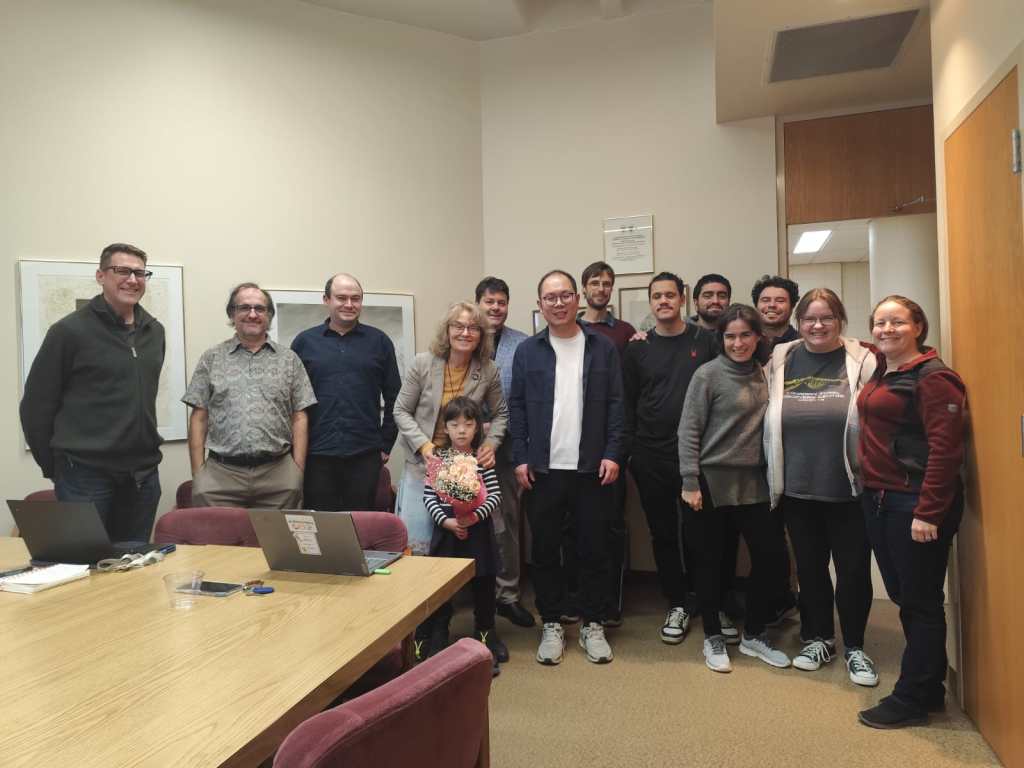
We have another successful thesis defence from our lab! Congrats to newly minted Dr. Kai Zhou on the successful defence of his PhD thesis.
Kai studied carbonate ichnology of the upper Miocene complex of the Las Negras area, Almeria, southeastern Spain, within a paleoenvironmental and sequence stratigraphic framework.
We are excited to see where you take your career. Congratulations on this monumental achievement!
A new paper was published in Nature Ecology and Evolution by Dr. Claire Browning and co-authors, including our own Dr. Gabriela Mángano and Dr. Luis Buatois, examining trace fossils of a meiofaunal ecosystem that flourished in the immediate aftermath of the end-Ordovician extinction event (444 million years ago).
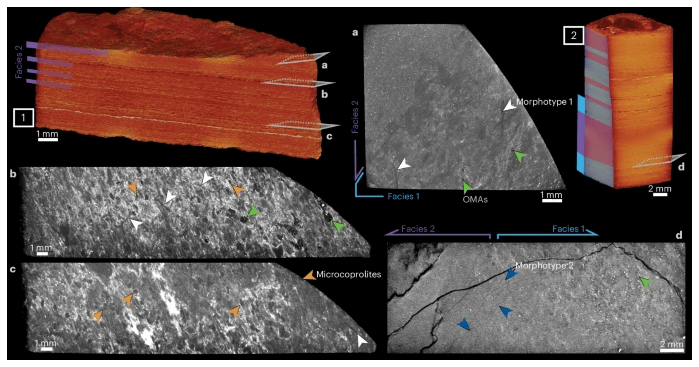
The trace fossils studied in this paper come from the Soom Shale Lagerstätte, South Africa. Three-dimensionally preserved ichnofossils, including two burrow/trail morphotypes and microcoprolites, were scanned using micro-computed tomography. These trace fossils are attributed to a low-diversity meiofaunal benthic community, dominated by nematodes and foraminifera. The ichnofossils are preserved in and consistently occur within fossilized marine-snow-bearing beds. Marine snow describes episodic deposition of organic material, including phytoplankton and phytodetritus, generated when wind-blown dust particles are then bound together with phytoplankton blooms in the surface water. The Soom Shale Lagerstätte provides a remarkable insight into one of the oldest meiofaunal trace-fossil records, and the earliest account of an ancient behavioural response to episodic marine snow deposition.
Occurrence and distribution patterns of trace fossils, microcoprolites, and organomineralic aggregates within distinct laminae. Figure 4 from Browning et al., 2025.
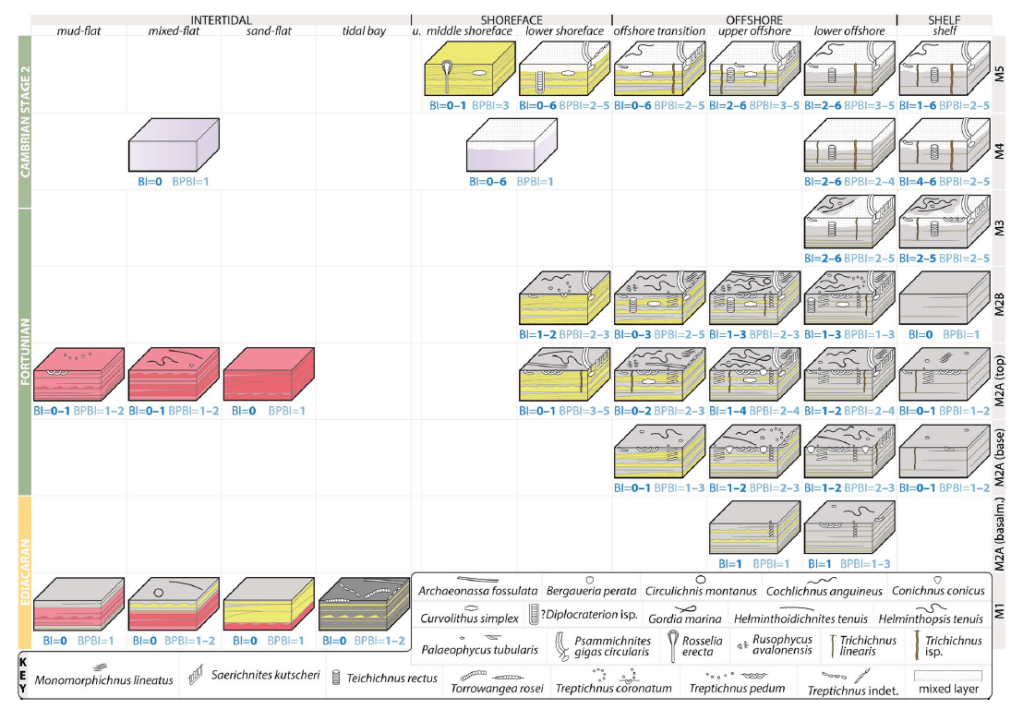
Dr. Romain Gougeon, Dr. Gabriela Mángano, Dr. Luis Buatois, Dr. Guy Narbonne, Dr. Brittany Laing, and Dr. Maximiliano Paz have just published their research on bioturbation at the onset of the Cambrian Explosion within the monograph series Fossils and Strata. This is the culmination of 4 field seasons that took place from 2016 to 2021 at the Cambrian-type section in Newfoundland. The monograph consists of a comprehensive ichnotaxonomic review that is essential to understanding the Cambrian explosion from a trace-fossil perspective.
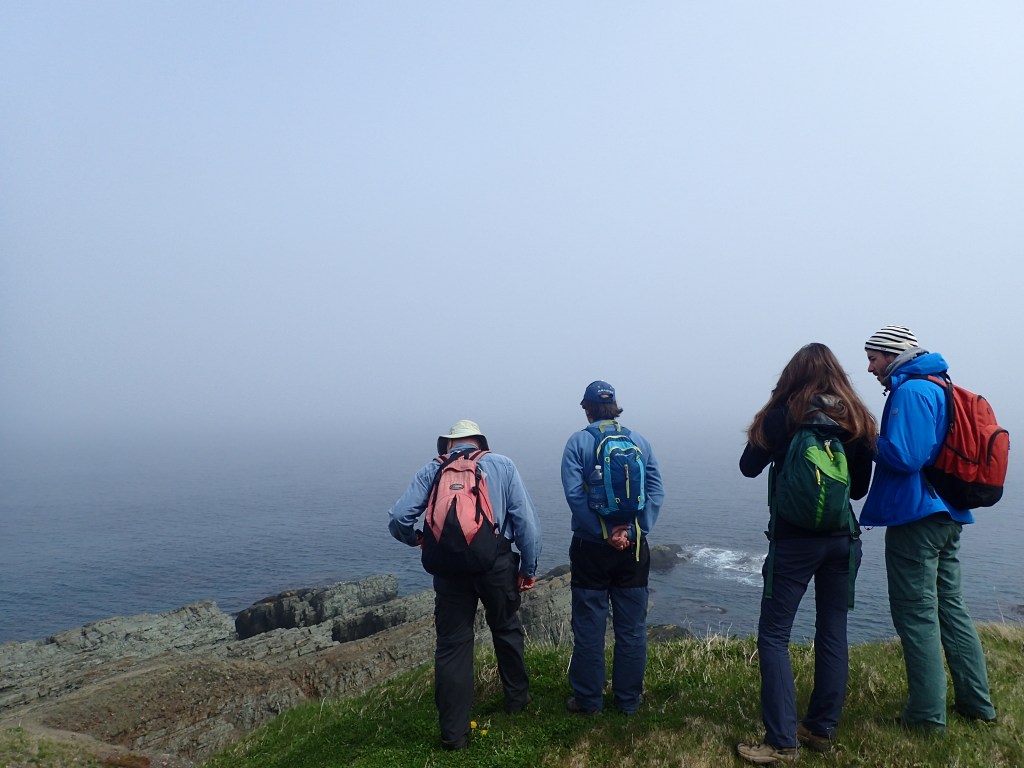
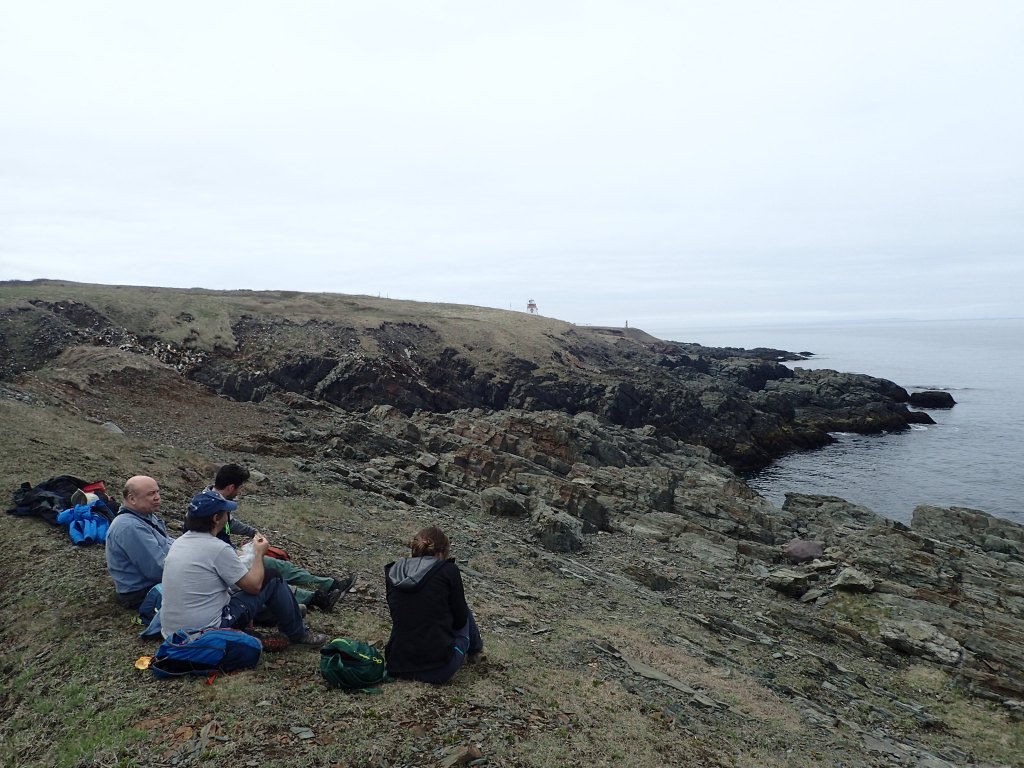
Romain Gougeon and colleagues conducting fieldwork in Newfoundland, Canada. See Fossils and Strata for open access monograph.
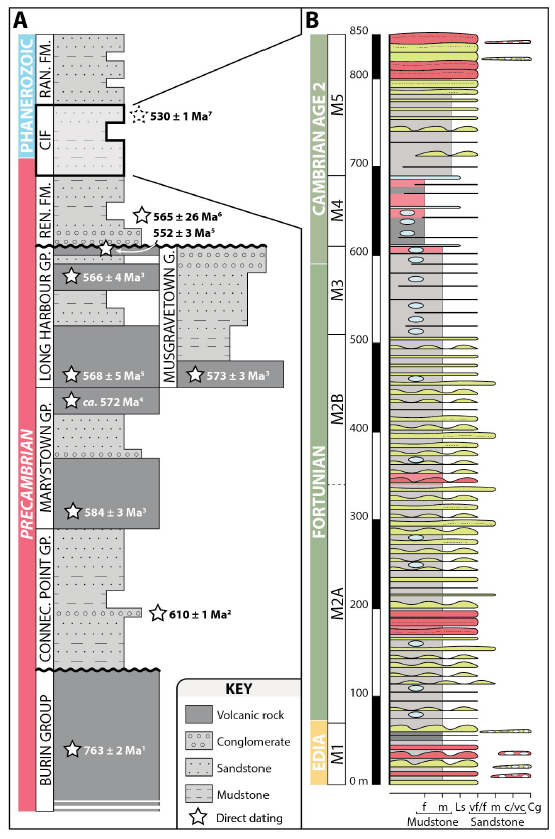
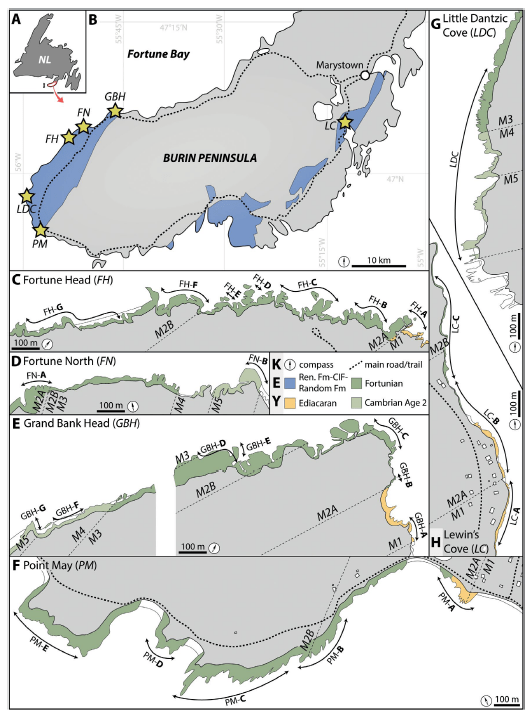
The Chapel Island Formation is a 1000+ m-thick, mainly siliciclastic succession that is well-exposed in coastal cliffs of Burin Peninsula, southeastern Newfoundland, eastern Canada. This unit contains an outstanding record of the transition from the Ediacaran (635–538 Ma) to the Cambrian (538–487 Ma). Fossils from the Chapel Island Formation include an incredible diversity of trace fossils, with some intervals rich in small shelly fossils. The monograph integrates sedimentologic and ichnologic information for the whole formation, reinforces the status of the current Cambrian Global Stratotype Section and Point for the Cambrian System, and advocates for the need for more comprehensive and multi-disciplinary approaches and studies to fully decipher the scale, tempo, and loci of the early evolution of animal life on Earth.
Congratulations to Romain and the team on this incredible achievement! You can check out Romans’ ResearchGate profile here, where you can read other studies he’s authored on the Chapel Island Formation throughout the years. These include the origin of the shelf sediment mixed layer and the impact of outcrop quality on trace fossil datasets.
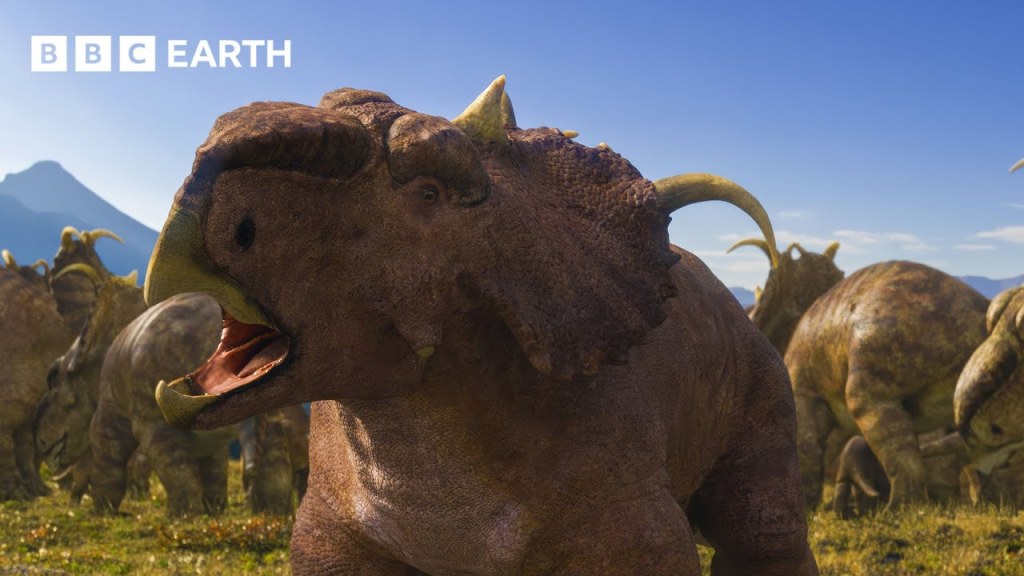
Dinosaur documentaries have been a great way to communicate the science of paleontology and dinosaurs to a wide audience. Recently, Walking with Dinosaurs has returned with a new version since its original inception in 1999. This time, two Ichnoplanet students make an appearance in one of the episodes!
Jack Milligan and Kaitlin Lindblad feature as part of the field crew during the fifth episode of the new series, titled “The Journey North.” The episode centres on a megaherd of the ceratopsian Pachyrhinosaurus lakustai, as they migrate across the forests, floodplains and rivers of paleonorthern northwestern Alberta during the Campanian stage of the late Cretaceous period. On their journey, they face many dangers, such as infighting among their own, fearsome predators such as the tyrannosaur Gorgosaurus, and sudden flash floods.
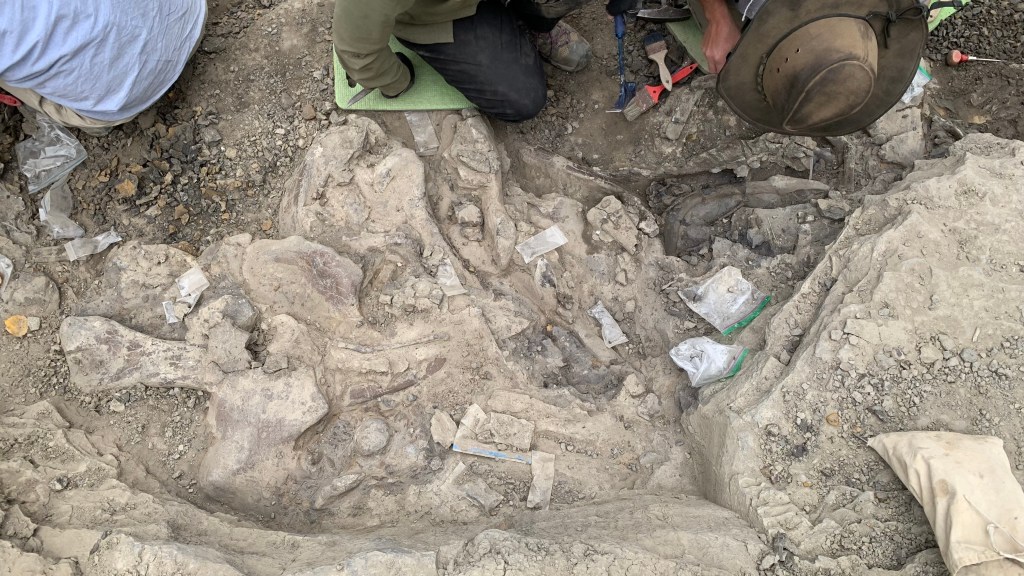
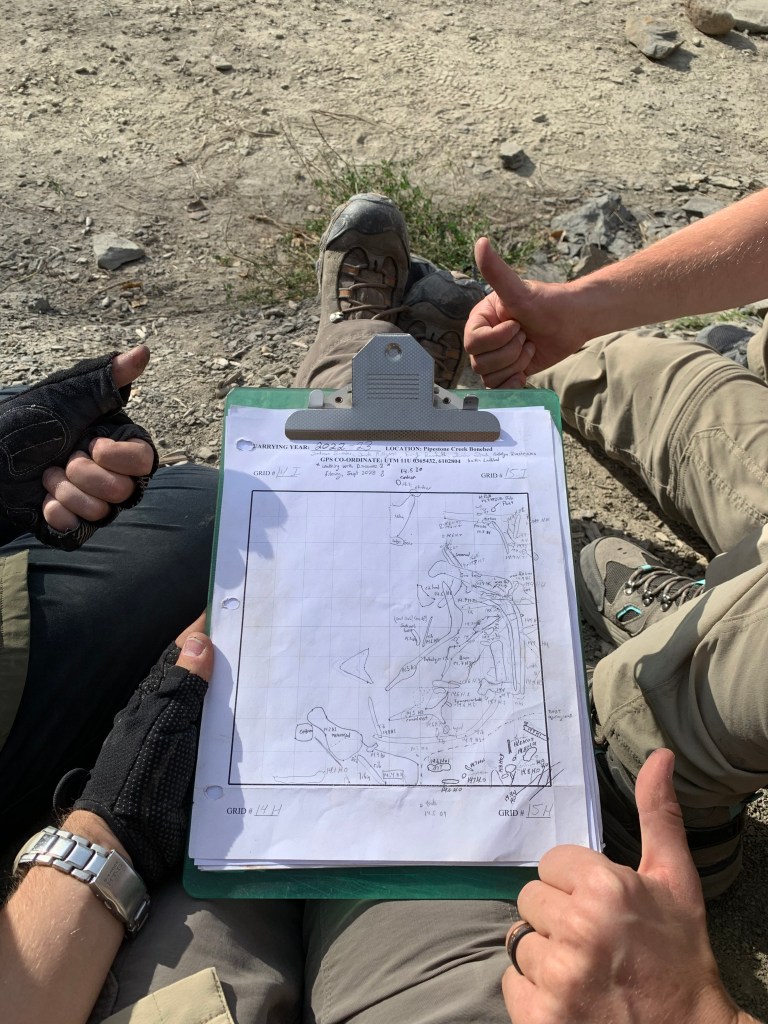
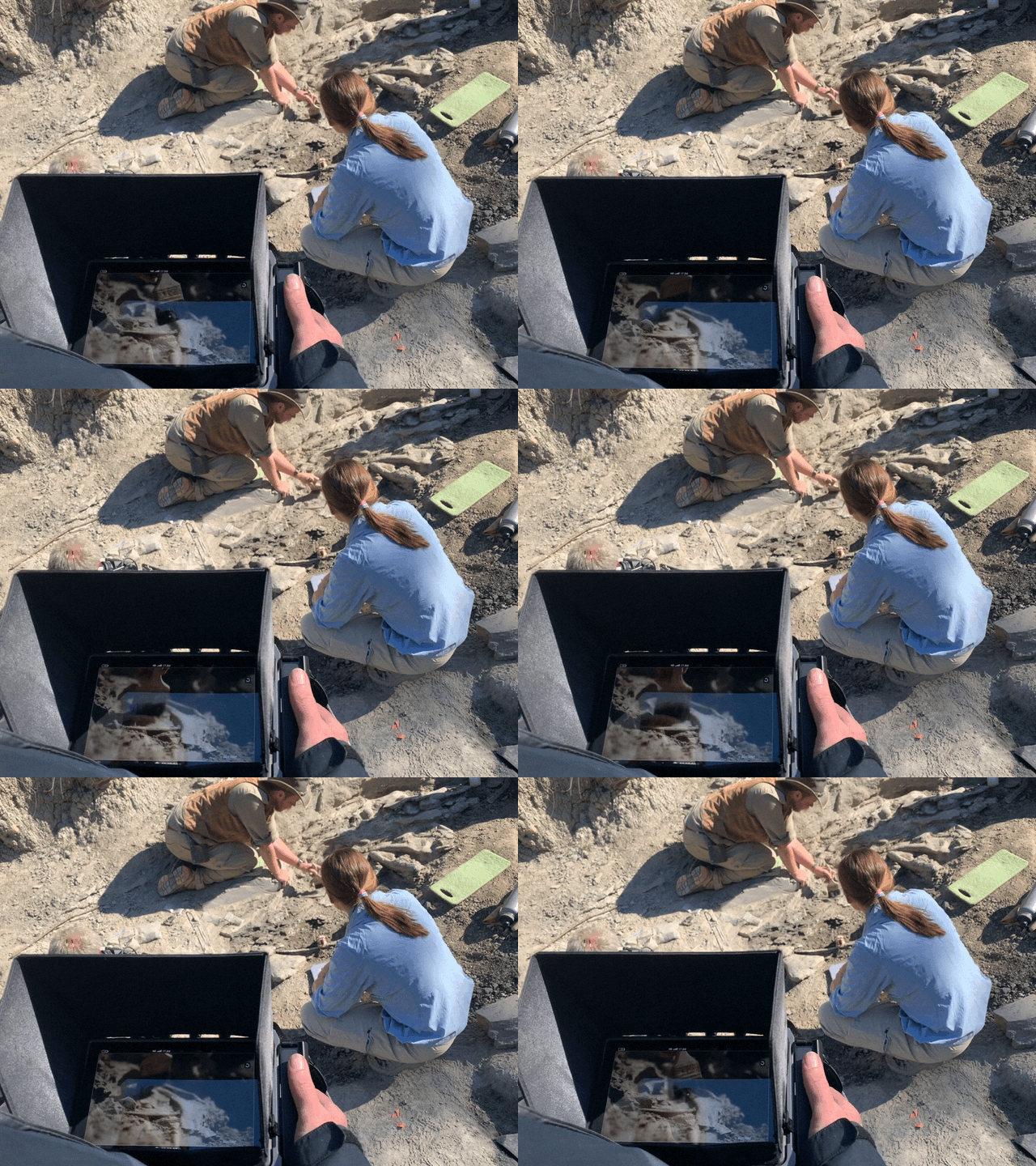
Pictures from the Pipestone Creek Bonebed during filming of Walking with Dinosaurs. From left to right: an overhead view of a dense area of Pachyrhinosaurus bones, including limb bones, ribs, and skull material; A grid map created by the field crew prior to collecting the bones; a shot of two of the field crew being filmed by the camera crew. Photos by Jack Milligan, 2023
Jack and Kailtin were invited by Dr. Emily Bamforth, curator of the Philip J. Currie Dinosaur Museum in Wembley, Alberta, to partake in filming of the series, where they excavated bones of Pachyrhinosaurus from the famous Pipestone Creek Bonebed, which has produced thousands of bones since the 1970’s. Fossils that were found during the filming were small juvenile bones, a rib with a pathology, and large frill bones. All these bones were mapped and observed using both traditional and modern methods, including a grid square and 3D scanning software, respectively.
A segment of the episode shows Dr. Bamforth going to a tyrannosaur track site to take silicone moulds of the tracks to study their morphology and discuss the possible tracemaker. This site was published in PLOS One, “The dinosaur tracks of Tyrants Aisle: An Upper Cretaceous ichnofauna from Unit 4 of the Wapiti Formation (upper Campanian), Alberta, Canada” by Enriquez et al., 2022.
Walking with Dinosaurs is available now to buy on physical media and on streaming. Check out the official trailer and a behind-the-scenes featurette featuring Jack!





 ichnoplanet.ca