Defining the “Poorly Defined” in Ichnology: Biodeformational Structures, Bioturbation Fabrics, and Cryptobioturbation

New research was recently published in Earth-Science Reviews by authors Maximiliano Paz, Luis Buatois and Gabriela Mángano tackling the problem of biodeformation and cryptobioturbation nomenclature.

Research on biodeformational structures has lagged behind that of discrete trace fossils due to their indistinct appearance and lower utility. As such, the terminology surrounding such structures has not been standardized, with many conflicting usages across literature. To rectify this problem, the authors have outlined a set of proposed definitions to create nomenclature that can adequately describe the diversity of biodeformation structures without ambiguity. The authors also make recommendations regarding semantic usage of the terms “cryptobioturbation” and “cryptobioturbation fabric” and characterize common forms of indistinct bioturbation fabrics (e.g. mottled, massive, banded).

Figure. 1. Descriptive-genetic classification of individual bioturbation structures and their relationship with the bioturbation fabric concept. 

You can check out the article on Earth-Science Reviews by clicking on this link.

Written by Zane Gabriel Goodell
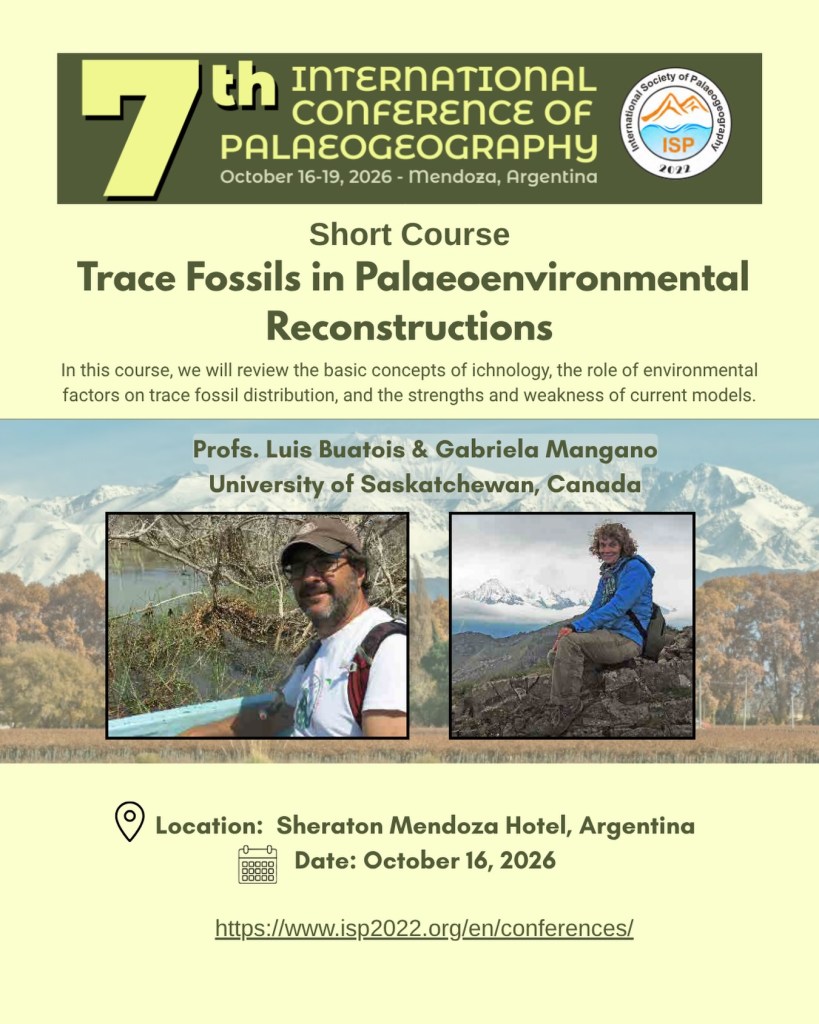
Drs. Buatois and Mángano to Give a Short Course at 7th International Conference of Palaeogeography

Our very own Drs. Luis Buatois and Gabriela Mángano will be teaching a short course at the 7th International Conference of Palaeogeography in Mendoza, Argentina, which will be held from October 16th-19th 2026. This will be the first International Conference of Palaeogeography held outside of China and it will take advantage of the wealth of knowledge of earth scientists from around the globe and the breathtaking vistas of the Andes mountains to better understand geological processes.

This short course will focus on trace fossils in palaeoenvironmental reconstructions, reviewing basic ichnology, the role of environmental factors on trace fossil distribution, and the strengths and weakness of current models. In addition, they will explore perspectives for future developments that may result in the construction of trace-fossil models for less understood depositional environments.

This course is scheduled for the 16th of October, 2026 at the Sheraton Mendoza Hotel in Mendoza, Argentina. For more information please check out the ISP’s website at the following link: https://www.isp2022.org/en/conferences/

Written by Zane Gabriel Goodell
Marine snow fuels an opportunistic small food web in the Late Ordovician Soom Shale Lagerstätte

A new paper was published in Nature Ecology and Evolution by Dr. Claire Browning and co-authors, including our own Dr. Gabriela Mángano and Dr. Luis Buatois, examining trace fossils of a meiofaunal ecosystem that flourished in the immediate aftermath of the end-Ordovician extinction event (444 million years ago).

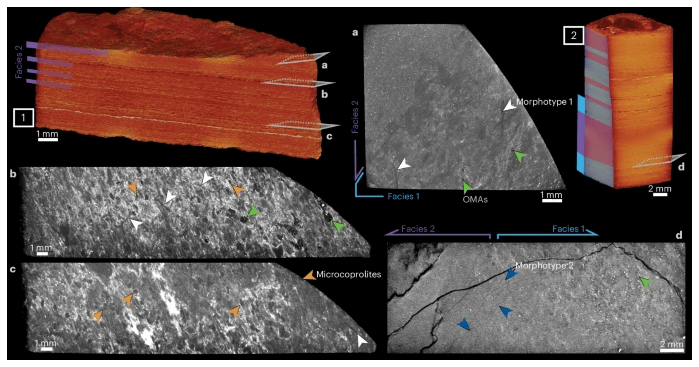
The trace fossils studied in this paper come from the Soom Shale Lagerstätte, South Africa. Three-dimensionally preserved ichnofossils, including two burrow/trail morphotypes and microcoprolites, were scanned using micro-computed tomography. These trace fossils are attributed to a low-diversity meiofaunal benthic community, dominated by nematodes and foraminifera. The ichnofossils are preserved in and consistently occur within fossilized marine-snow-bearing beds. Marine snow describes episodic deposition of organic material, including phytoplankton and phytodetritus, generated when wind-blown dust particles are then bound together with phytoplankton blooms in the surface water. The Soom Shale Lagerstätte provides a remarkable insight into one of the oldest meiofaunal trace-fossil records, and the earliest account of an ancient behavioural response to episodic marine snow deposition.

Occurrence and distribution patterns of trace fossils, microcoprolites, and organomineralic aggregates within distinct laminae. Figure 4 from Browning et al., 2025.

Check out Clarie Browning’s blog post about this research on Springer Nature Research Communities, and read the paper in Nature here.

Written by Jack Milligan

Ichnology of the Ediacaran–Cambrian Chapel Island Formation of Newfoundland, Canada

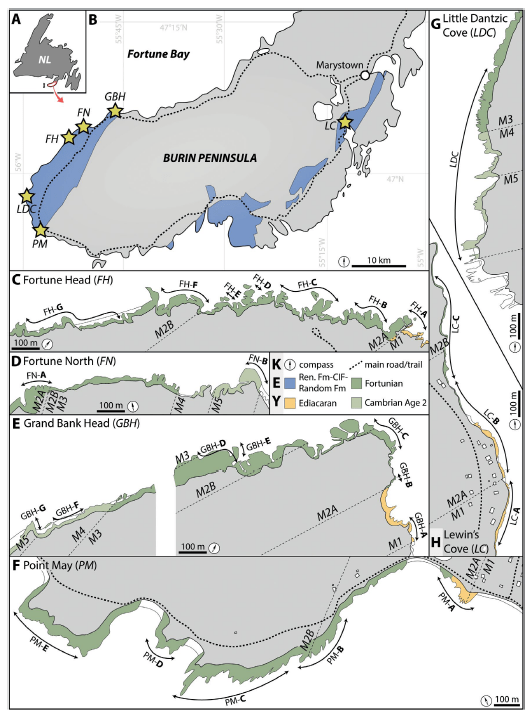
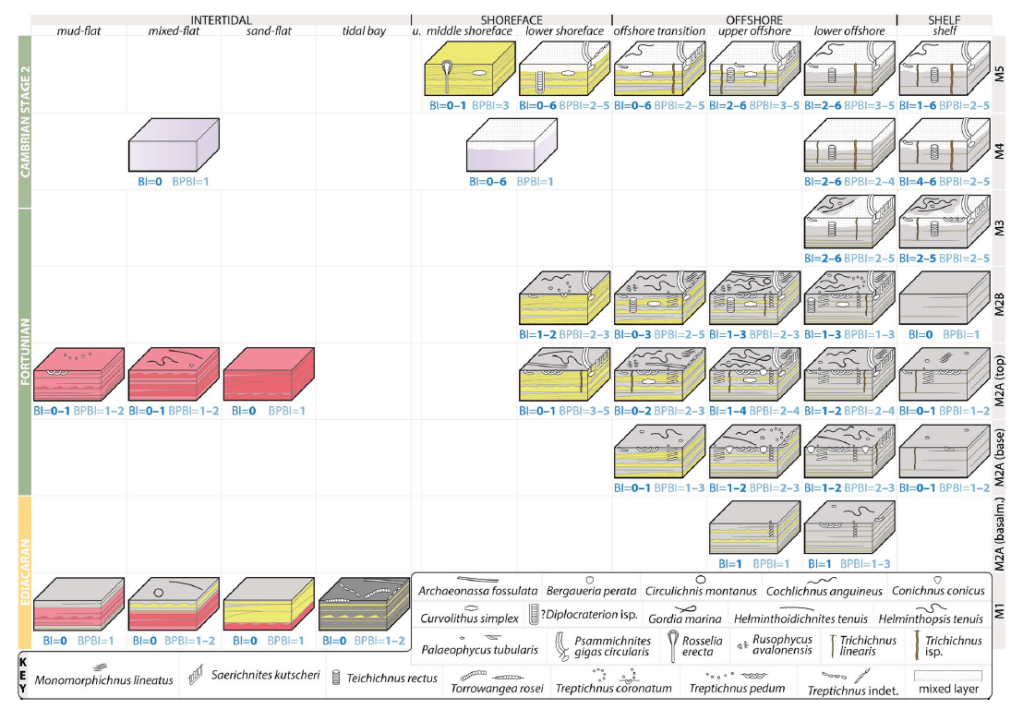
Dr. Romain Gougeon, Dr. Gabriela Mángano, Dr. Luis Buatois, Dr. Guy Narbonne, Dr. Brittany Laing, and Dr. Maximiliano Paz have just published their research on bioturbation at the onset of the Cambrian Explosion within the monograph series Fossils and Strata. This is the culmination of 4 field seasons that took place from 2016 to 2021 at the Cambrian-type section in Newfoundland. The monograph consists of a comprehensive ichnotaxonomic review that is essential to understanding the Cambrian explosion from a trace-fossil perspective.

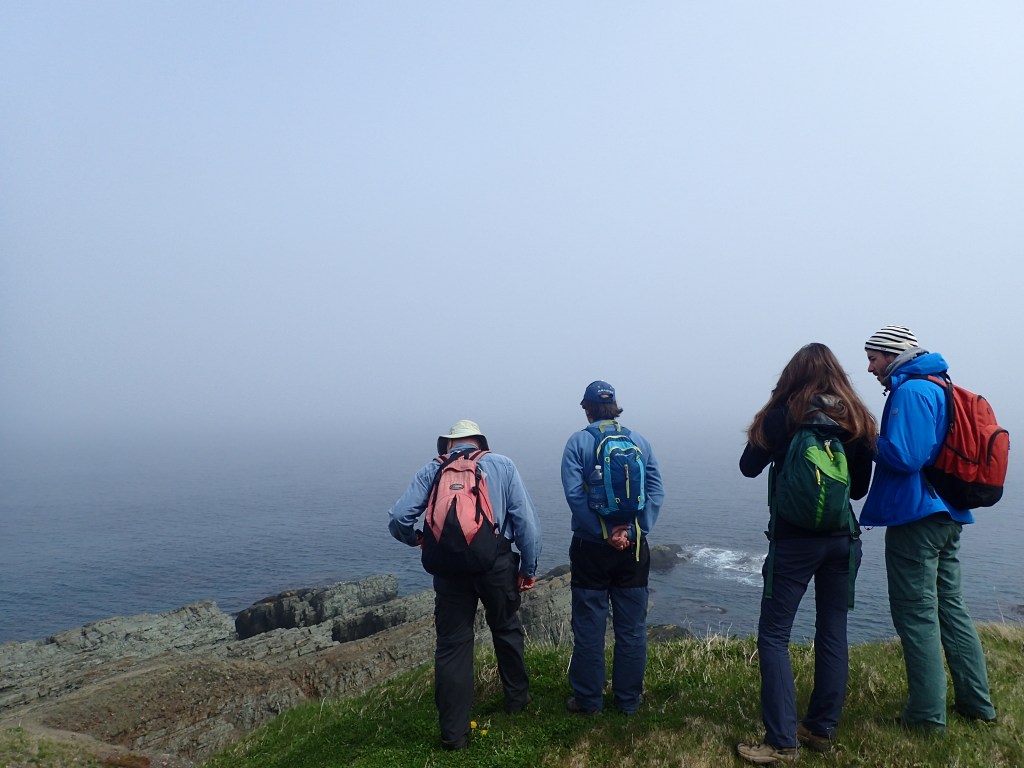
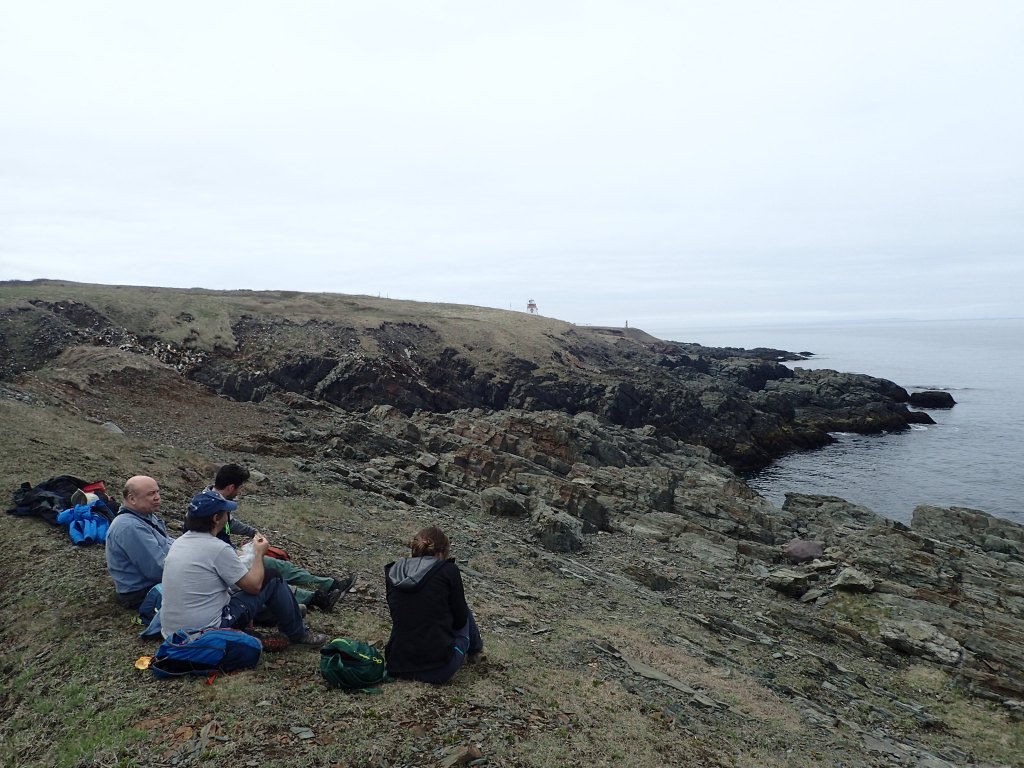
Romain Gougeon and colleagues conducting fieldwork in Newfoundland, Canada. See Fossils and Strata for open access monograph.

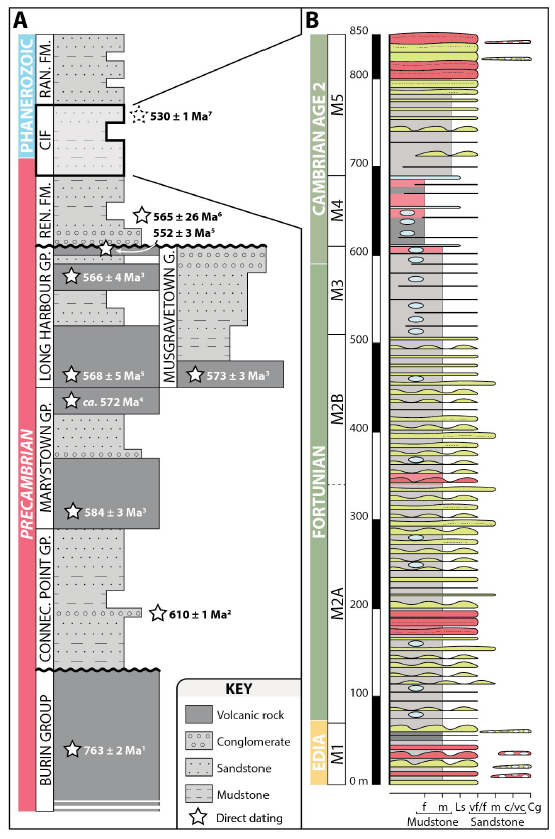
The Chapel Island Formation is a 1000+ m-thick, mainly siliciclastic succession that is well-exposed in coastal cliffs of Burin Peninsula, southeastern Newfoundland, eastern Canada. This unit contains an outstanding record of the transition from the Ediacaran (635–538 Ma) to the Cambrian (538–487 Ma). Fossils from the Chapel Island Formation include an incredible diversity of trace fossils, with some intervals rich in small shelly fossils. The monograph integrates sedimentologic and ichnologic information for the whole formation, reinforces the status of the current Cambrian Global Stratotype Section and Point for the Cambrian System, and advocates for the need for more comprehensive and multi-disciplinary approaches and studies to fully decipher the scale, tempo, and loci of the early evolution of animal life on Earth.

Congratulations to Romain and the team on this incredible achievement! You can check out Romans’ ResearchGate profile here, where you can read other studies he’s authored on the Chapel Island Formation throughout the years. These include the origin of the shelf sediment mixed layer and the impact of outcrop quality on trace fossil datasets.

Written by Jack Milligan and Romain Gougeon

Giant ground sloths made massive paleoburrows in Brazil

Dr. Buatois was featured in a new Nature article, where he commented on recent work done by the Palaeoburrows Project based at the Federal University of Rio Grande do Sul in Porto Alegre, Brazil.

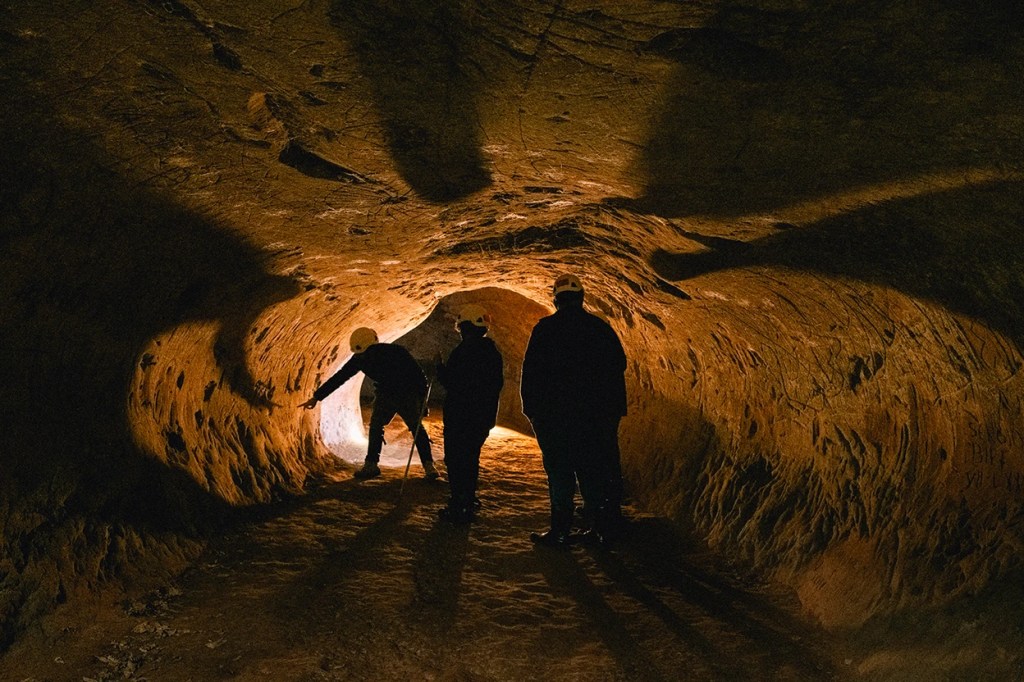
In conjunction with the University of the Extreme South of Santa Catarina (UNESC) in Criciúma, Brazil, paleontologists and archaeologists have been studying a series of massive caves that have had multiple architects and inhabitants during the Pleistocene. The caves are found within a consolidated eolian sandstone unit of the early late Cretaceous Botucatu Formation (100 Ma). This makes the sandstone soft enough to burrow through and consolidated enough that the caves wouldn’t collapse.

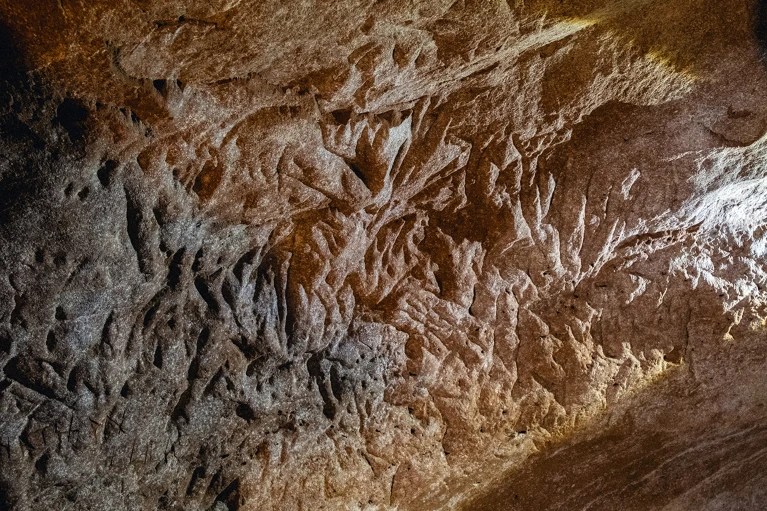
The walls of the caves preserve large claw-like markings, as well as inscriptions and graffiti by ancient and modern humans, respectively. The large claw-like marks on the walls of the cave point to the original inhabitants of the cave, proposed to be giant ground sloths. They would construct these burrows for multiple reasons, including potentially to sharpen their claws and to seek refuge from megafaunal predators.

These would be not only the largest palaeoburrows, but the largest trace fossils known so far. From this research, a novel ichnogenera and two novel ichnospecies were named, Megaichnus minor and Megaichnus major. These palaeoburrows are so far known from Brazil and Argentina, and are attributed to giant ground sloths like Scelidotherium and Glossotherium. Work is ongoing to refine the classification scheme for palaeoburrows, conservation, and opportunities for international collaboration on future studies.

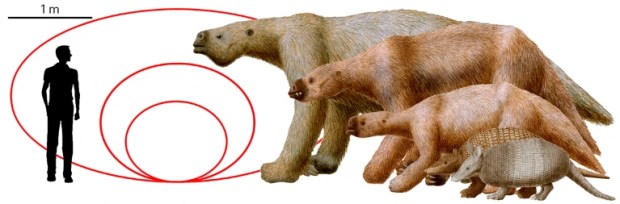
Paleoartist Renato Pereira Lopes’ reconstruction of several extinct ground sloths and armadillos and schematic representations of the dimensions of some caves found in South America. Artist credit to Renato Pereira Lopes as seen in Nature https://www.nature.com/articles/d41586-025-00216-x

Paleoartist reconstruction of extinct giant ground sloths and armadillos by Renato Pereira Lopes.

You can read the original study in Ichnos and the news feature in Nature. Listen to a Radio-Canada interview (in French) where PhD student Dmitri Ponomarenko comments on these spectacular paleoburrows here.

Written by Jack Milligan