A new paper was published in Nature Ecology and Evolution by Dr. Claire Browning and co-authors, including our own Dr. Gabriela Mángano and Dr. Luis Buatois, examining trace fossils of a meiofaunal ecosystem that flourished in the immediate aftermath of the end-Ordovician extinction event (444 million years ago).
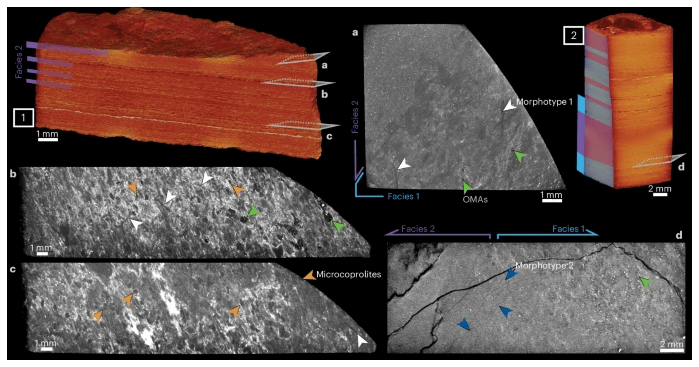
The trace fossils studied in this paper come from the Soom Shale Lagerstätte, South Africa. Three-dimensionally preserved ichnofossils, including two burrow/trail morphotypes and microcoprolites, were scanned using micro-computed tomography. These trace fossils are attributed to a low-diversity meiofaunal benthic community, dominated by nematodes and foraminifera. The ichnofossils are preserved in and consistently occur within fossilized marine-snow-bearing beds. Marine snow describes episodic deposition of organic material, including phytoplankton and phytodetritus, generated when wind-blown dust particles are then bound together with phytoplankton blooms in the surface water. The Soom Shale Lagerstätte provides a remarkable insight into one of the oldest meiofaunal trace-fossil records, and the earliest account of an ancient behavioural response to episodic marine snow deposition.
Occurrence and distribution patterns of trace fossils, microcoprolites, and organomineralic aggregates within distinct laminae. Figure 4 from Browning et al., 2025.
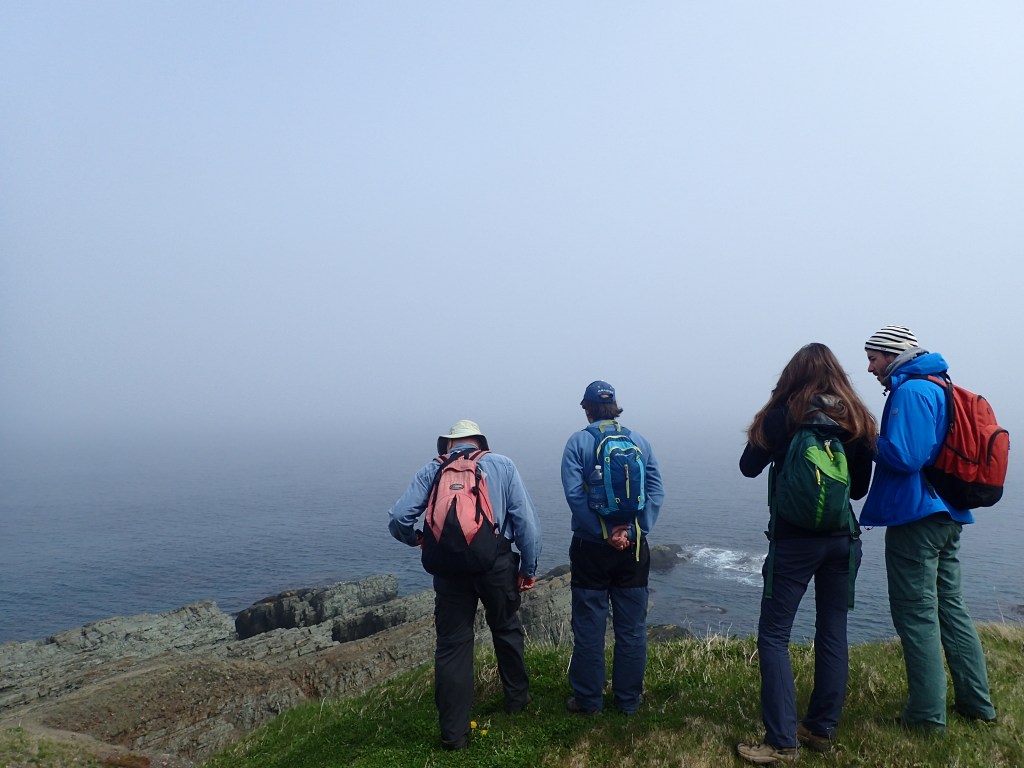
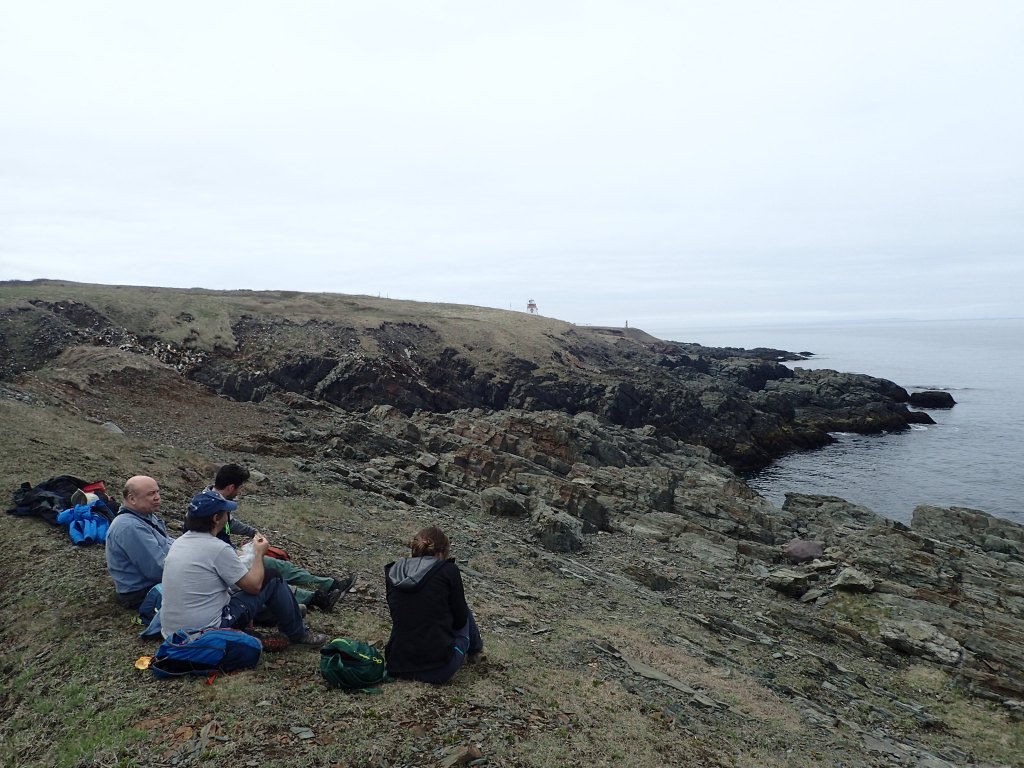
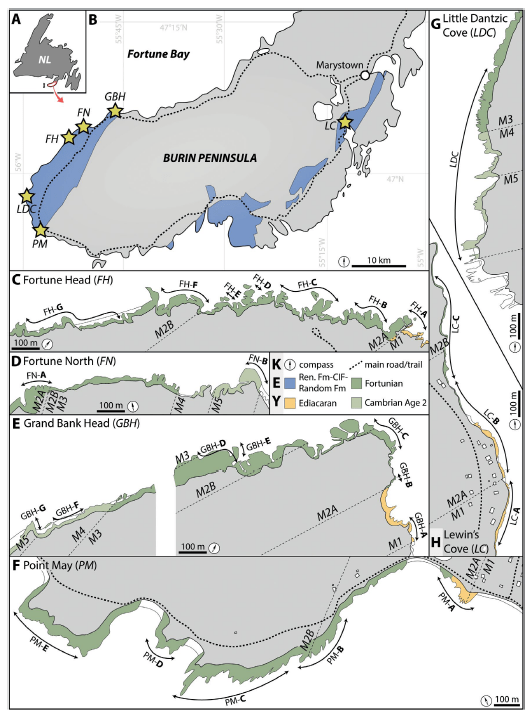
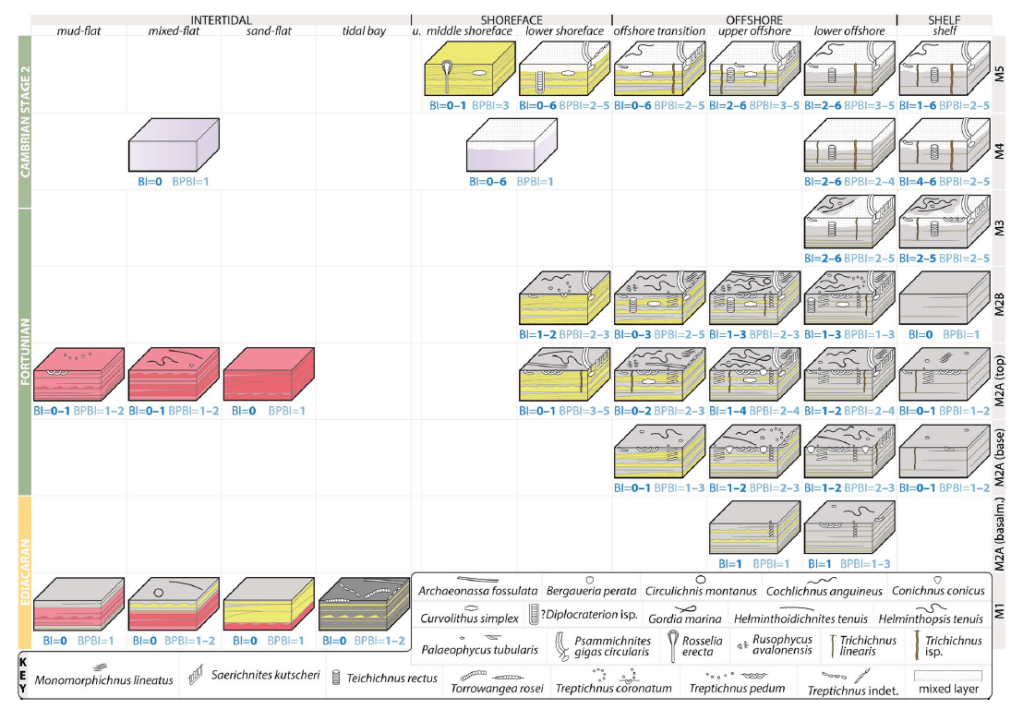
Dr. Romain Gougeon, Dr. Gabriela Mángano, Dr. Luis Buatois, Dr. Guy Narbonne, Dr. Brittany Laing, and Dr. Maximiliano Paz have just published their research on bioturbation at the onset of the Cambrian Explosion within the monograph series Fossils and Strata. This is the culmination of 4 field seasons that took place from 2016 to 2021 at the Cambrian-type section in Newfoundland. The monograph consists of a comprehensive ichnotaxonomic review that is essential to understanding the Cambrian explosion from a trace-fossil perspective.
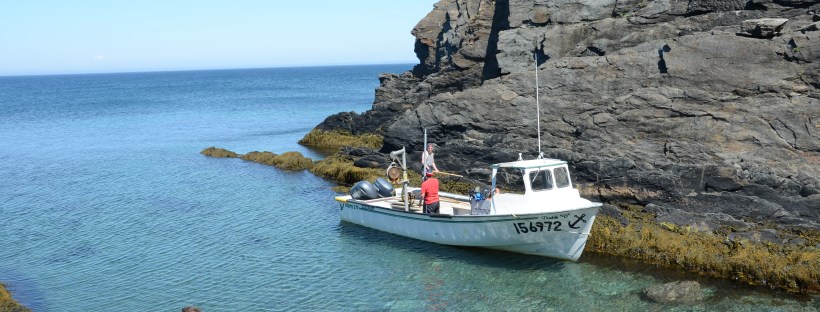
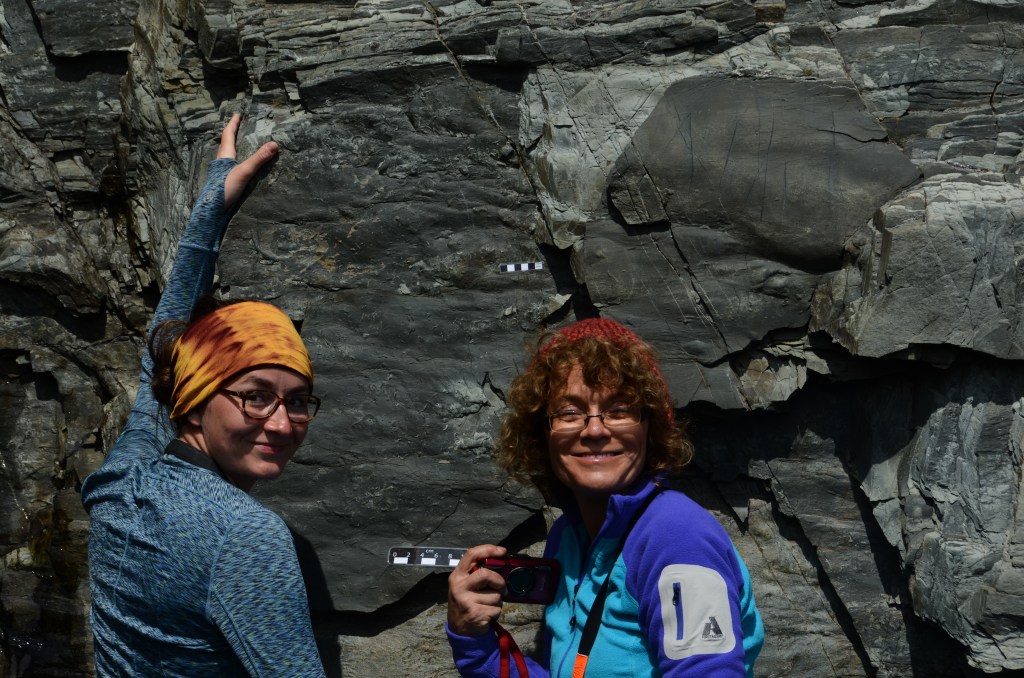
Romain Gougeon and colleagues conducting fieldwork in Newfoundland, Canada. See Fossils and Strata for open access monograph.
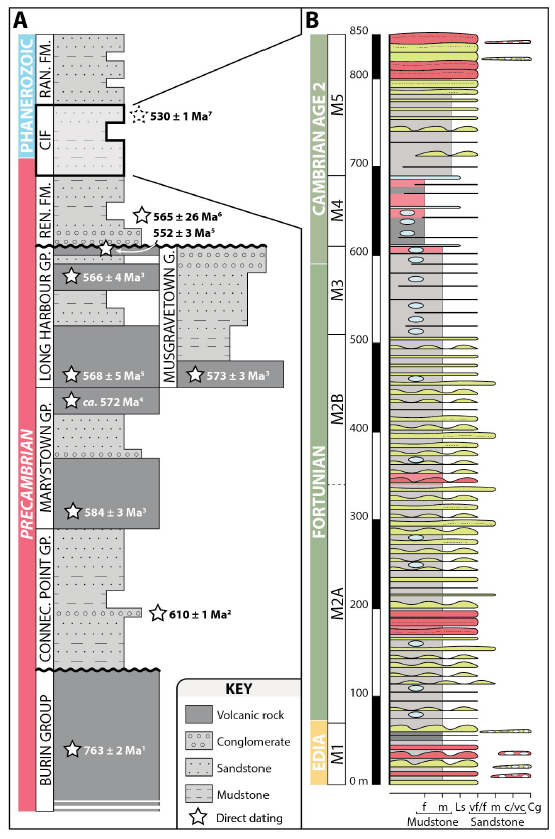
The Chapel Island Formation is a 1000+ m-thick, mainly siliciclastic succession that is well-exposed in coastal cliffs of Burin Peninsula, southeastern Newfoundland, eastern Canada. This unit contains an outstanding record of the transition from the Ediacaran (635–538 Ma) to the Cambrian (538–487 Ma). Fossils from the Chapel Island Formation include an incredible diversity of trace fossils, with some intervals rich in small shelly fossils. The monograph integrates sedimentologic and ichnologic information for the whole formation, reinforces the status of the current Cambrian Global Stratotype Section and Point for the Cambrian System, and advocates for the need for more comprehensive and multi-disciplinary approaches and studies to fully decipher the scale, tempo, and loci of the early evolution of animal life on Earth.
Congratulations to Romain and the team on this incredible achievement! You can check out Romans’ ResearchGate profile here, where you can read other studies he’s authored on the Chapel Island Formation throughout the years. These include the origin of the shelf sediment mixed layer and the impact of outcrop quality on trace fossil datasets.
Dinosaur documentaries have been a great way to communicate the science of paleontology and dinosaurs to a wide audience. Recently, Walking with Dinosaurs has returned with a new version since its original inception in 1999. This time, two Ichnoplanet students make an appearance in one of the episodes!
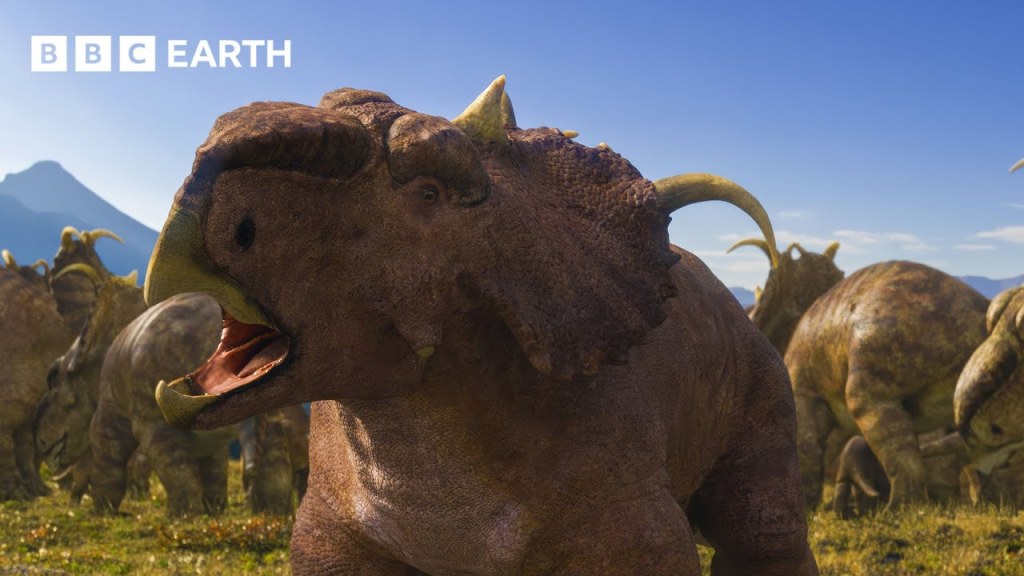
Jack Milligan and Kaitlin Lindblad feature as part of the field crew during the fifth episode of the new series, titled “The Journey North.” The episode centres on a megaherd of the ceratopsian Pachyrhinosaurus lakustai, as they migrate across the forests, floodplains and rivers of paleonorthern northwestern Alberta during the Campanian stage of the late Cretaceous period. On their journey, they face many dangers, such as infighting among their own, fearsome predators such as the tyrannosaur Gorgosaurus, and sudden flash floods.
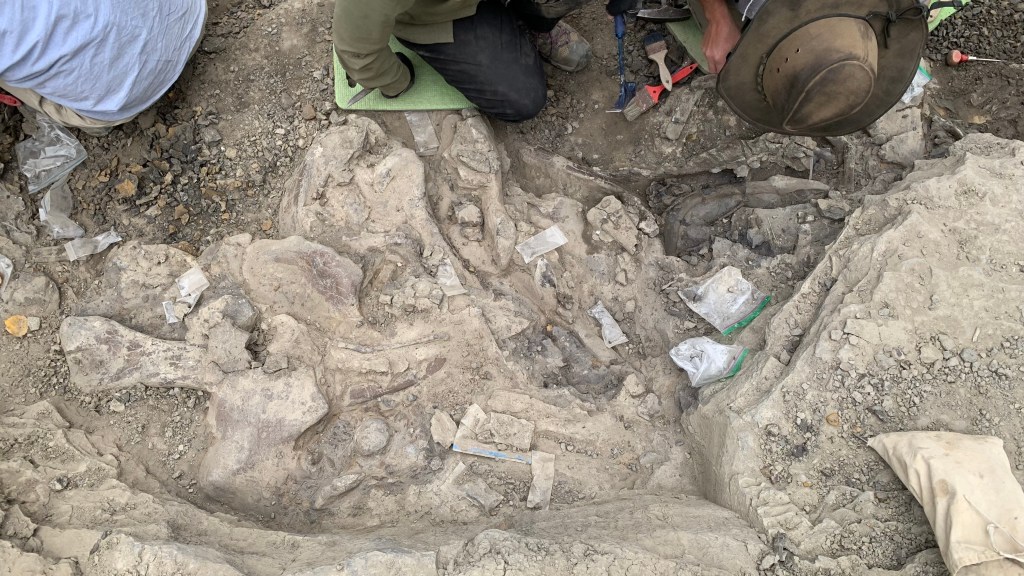
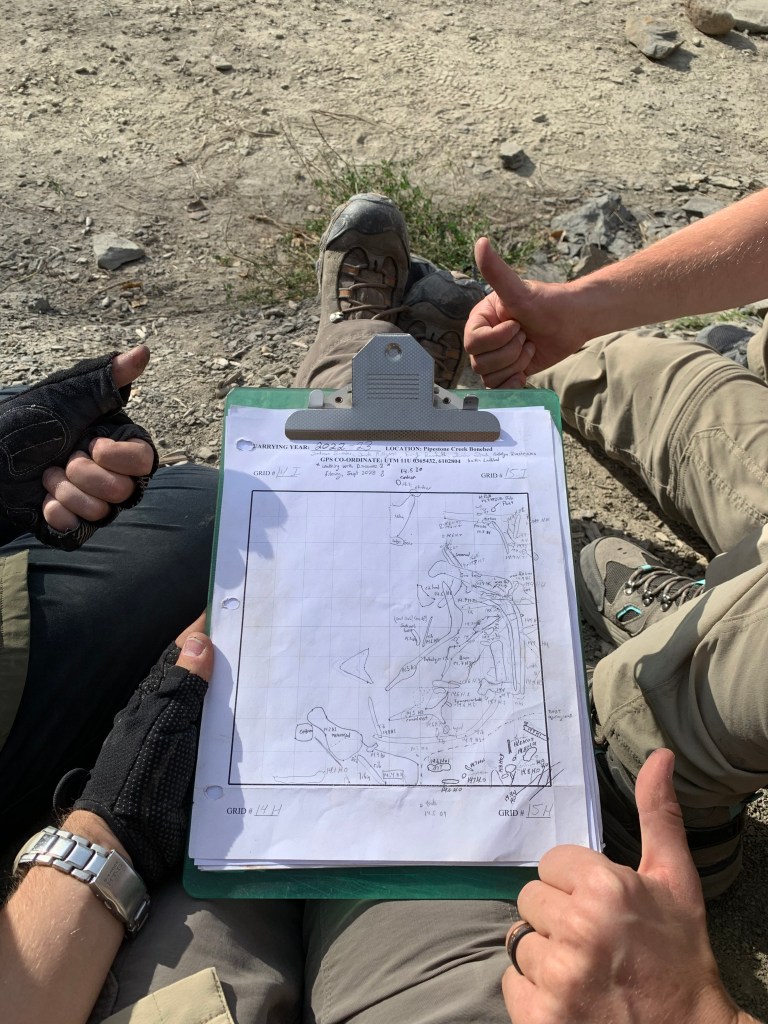
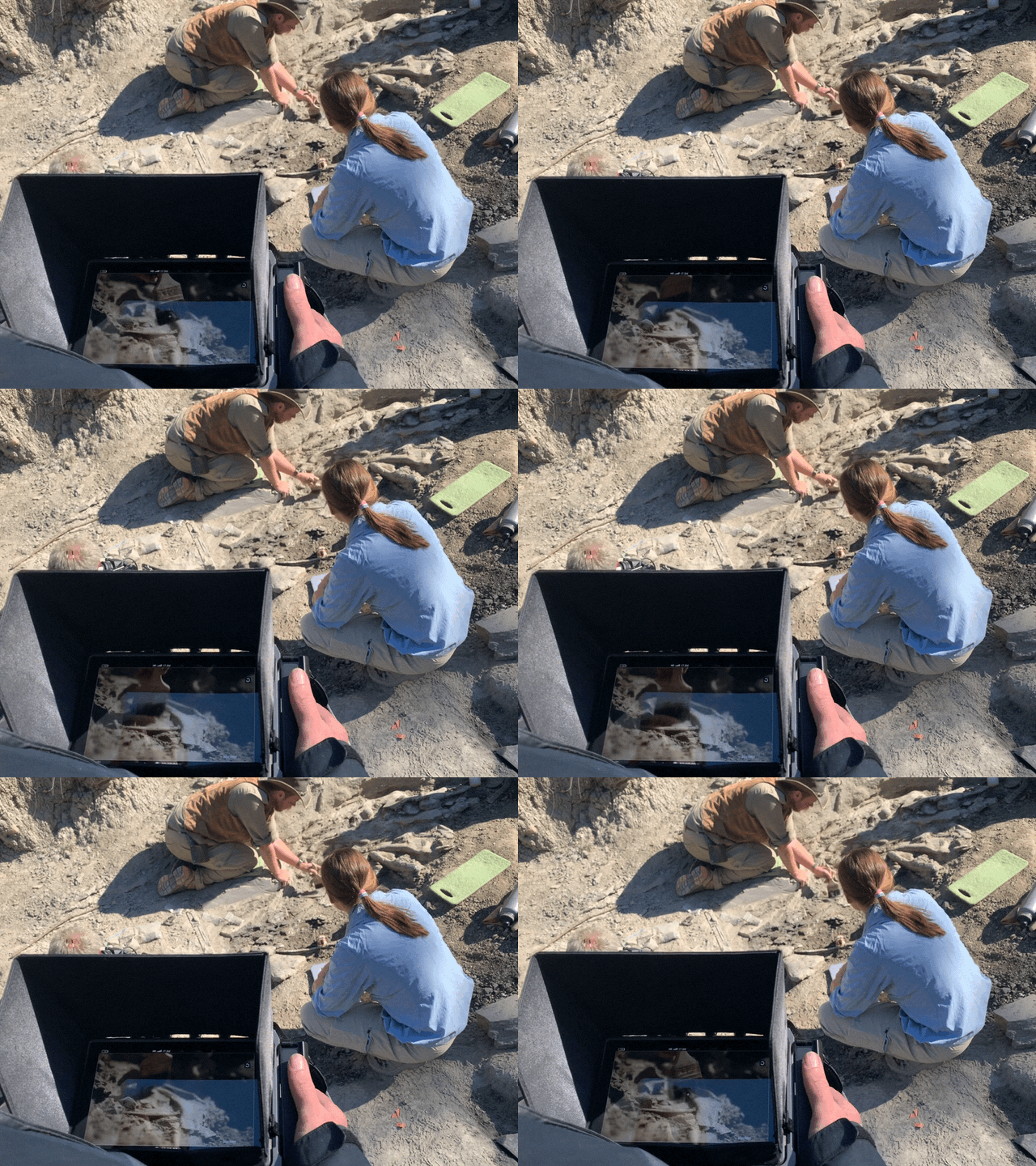
Pictures from the Pipestone Creek Bonebed during filming of Walking with Dinosaurs. From left to right: an overhead view of a dense area of Pachyrhinosaurus bones, including limb bones, ribs, and skull material; A grid map created by the field crew prior to collecting the bones; a shot of two of the field crew being filmed by the camera crew. Photos by Jack Milligan, 2023
Jack and Kailtin were invited by Dr. Emily Bamforth, curator of the Philip J. Currie Dinosaur Museum in Wembley, Alberta, to partake in filming of the series, where they excavated bones of Pachyrhinosaurus from the famous Pipestone Creek Bonebed, which has produced thousands of bones since the 1970’s. Fossils that were found during the filming were small juvenile bones, a rib with a pathology, and large frill bones. All these bones were mapped and observed using both traditional and modern methods, including a grid square and 3D scanning software, respectively.
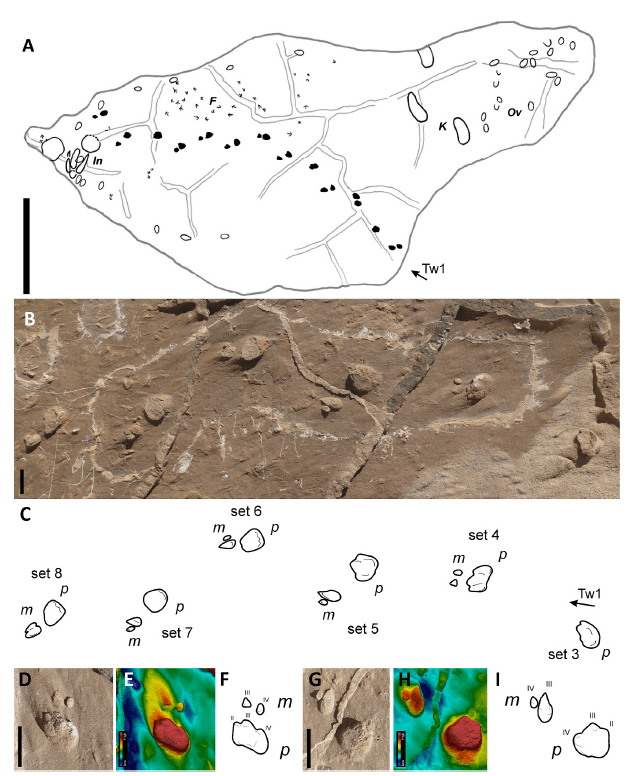
A segment of the episode shows Dr. Bamforth going to a tyrannosaur track site to take silicone moulds of the tracks to study their morphology and discuss the possible tracemaker. This site was published in PLOS One, “The dinosaur tracks of Tyrants Aisle: An Upper Cretaceous ichnofauna from Unit 4 of the Wapiti Formation (upper Campanian), Alberta, Canada” by Enriquez et al., 2022.
Walking with Dinosaurs is available now to buy on physical media and on streaming. Check out the official trailer and a behind-the-scenes featurette featuring Jack!
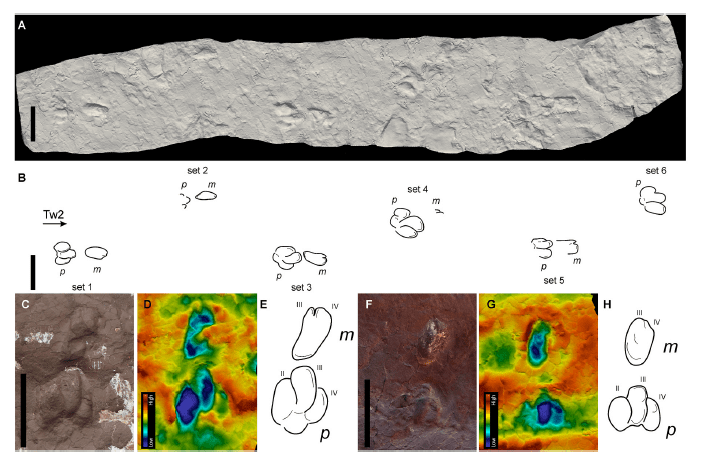
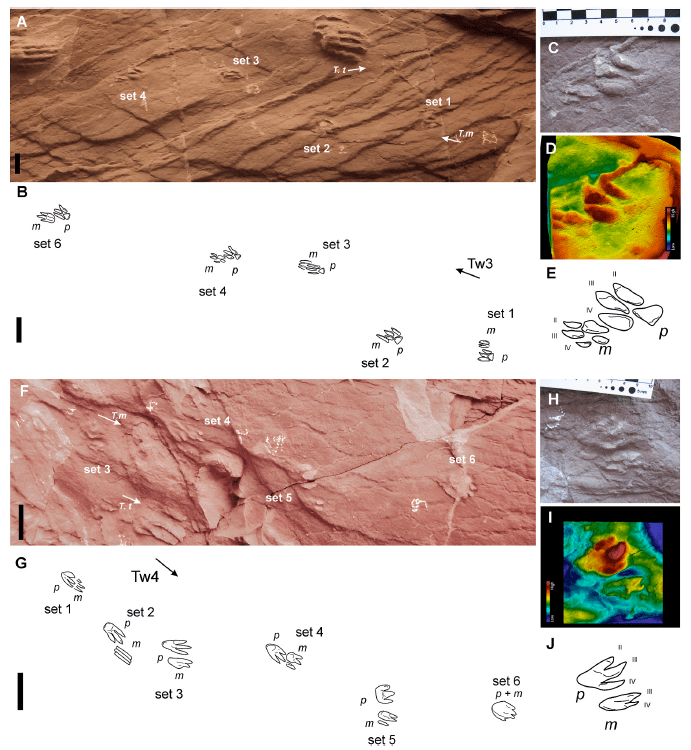
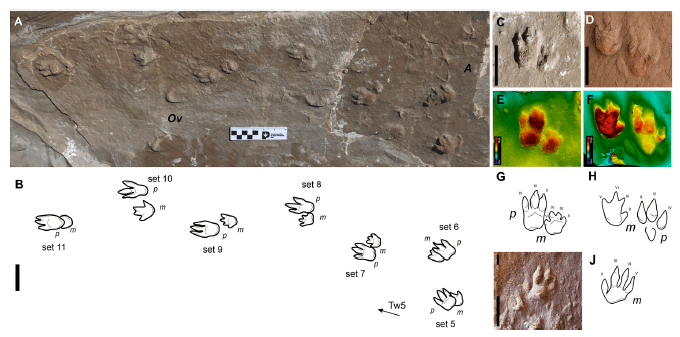
Former Ichnoplanet students Martín Farina, Verónica Krapovickas and co-authors have published a study on mammalian trackways from the Neogene Vinchina (Middle to Late Miocene) and Toro Negro (Late Miocene to Early Pleistocene) formations, in the La Rioja Province Vinchina Basin, Argentina!
Northwestern Argentina has an outstanding ichnological record of the Cenozoic vertebrate faunas. This study reports five mammalian trackways and the diversity of the trackmakers responsible. Of the four ichnospecies identified, three are new. The trackways come from deposits interpreted as floodplains of both meandering and anastomosed fluvial systems.
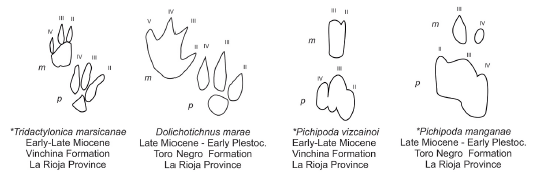
Pichipoda is a novel ichnogenus that has a didactyl to monodactyl manus and tridactyl mesaxonic pes impressions with robust digits with blunt tips. Two ichnospecies are assigned to Pichipoda, including P. manganae and P. vizcainoi. P. manganae (P. manganaei) is the largest ichnospecies of Pichipoda and has a didactyl manus, and the manus of P. vizcainoi shows an almost monodactyl morphology. Tridactylonicha marsicanae is another novel ichnogenera and ichnospecies, described by a tridactyl to didactyl paraxonic manus and tridactyl mesaxonic pes impression with long, slender, and pointed tips of the toe impressions. Dolichotichnus marae has tetradactyl paraxonic manus and tridactyl mesaxonic pes impressions.
Pichipoda manganae. Figure 2 from De La Fuente et al., 2025.
P. manganae and P. vizcainoi are interpreted as being produced by armadillos, with P. vizcainoi being attributed most likely to tolypeutines. Before this study, ichnofossils attributable to fossil armadillos were unknown, meaning this is the beginning of our understanding of the trace fossil record of this group and can help us to ask further paleobiological questions. T. marsicanae is interpreted as being produced by hegetotheriids, a family belonging to the extinct group of South American ungulates, the Notoungulata. D. marae is most likely produced by dolichotines, a group of caviid rodents.
Astute readers will notice the etymology of P. manganae honours our very own Dr. Gabriela Mángano, which we here at Ichnoplanet firmly endorse. The contributions Dr. Mángano has made to ichnology are unmatched, and it is fitting that these newly described trace fossils act as a reflection and reminder of her great career.
Congratulations to the authors, including Martin and Verónica, on this amazing study. We know the continued research into the small mammal trackways of Cenozoic Argentina is filling in an important gap in our understanding of vertebrate faunas within South America, and we await what new discoveries have to say.
We would love to congratulate Dr. Brittany Laing on her recent successful PhD defence! Her thesis focused on the behavioural evolution and ecological impact of organisms as seen through trace fossils, specifically applying theories and methodologies from mathematics & behavioural biology to trace fossil datasets in order to quantitatively examine behavioural and ecological changes through time. She also completed a master’s degree with our research group where she studied the ichnology at the Ediacaran and Cambrian GSSP in Newfoundland, Canada. She is also to thank for the Ichnoplanet website!
We are forever grateful for your contributions and wish you all the best in your future endeavours!