Walking with Dinosaurs (2025) featuring Ichnoplanet students

Dinosaur documentaries have been a great way to communicate the science of paleontology and dinosaurs to a wide audience. Recently, Walking with Dinosaurs has returned with a new version since its original inception in 1999. This time, two Ichnoplanet students make an appearance in one of the episodes!

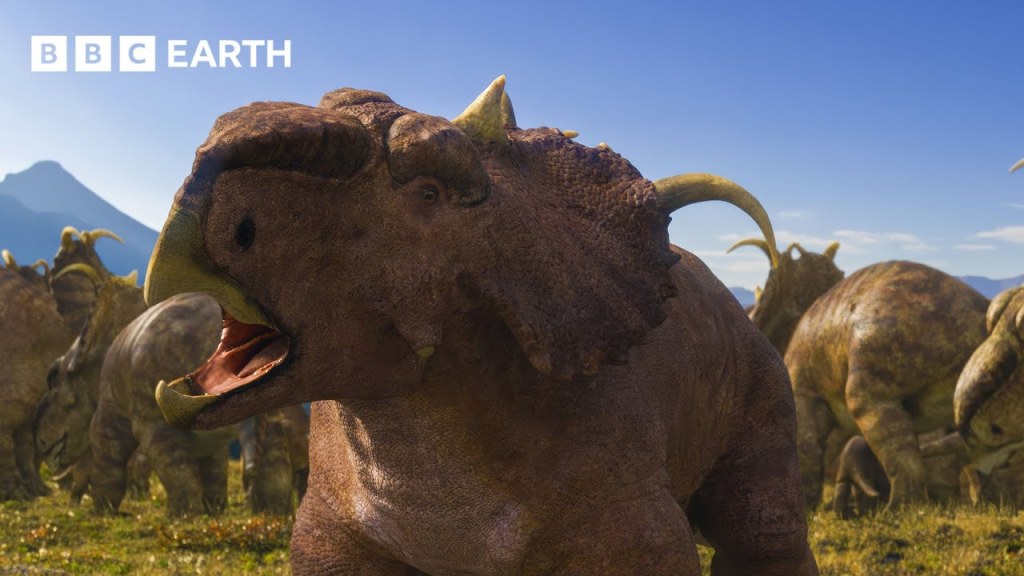
Jack Milligan and Kaitlin Lindblad feature as part of the field crew during the fifth episode of the new series, titled “The Journey North.” The episode centres on a megaherd of the ceratopsian Pachyrhinosaurus lakustai, as they migrate across the forests, floodplains and rivers of paleonorthern northwestern Alberta during the Campanian stage of the late Cretaceous period. On their journey, they face many dangers, such as infighting among their own, fearsome predators such as the tyrannosaur Gorgosaurus, and sudden flash floods.
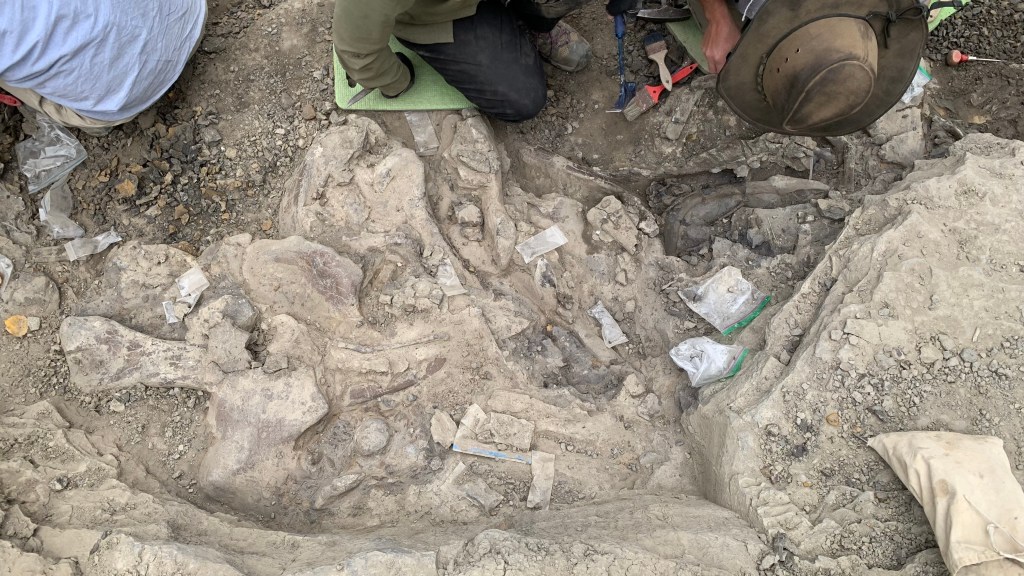
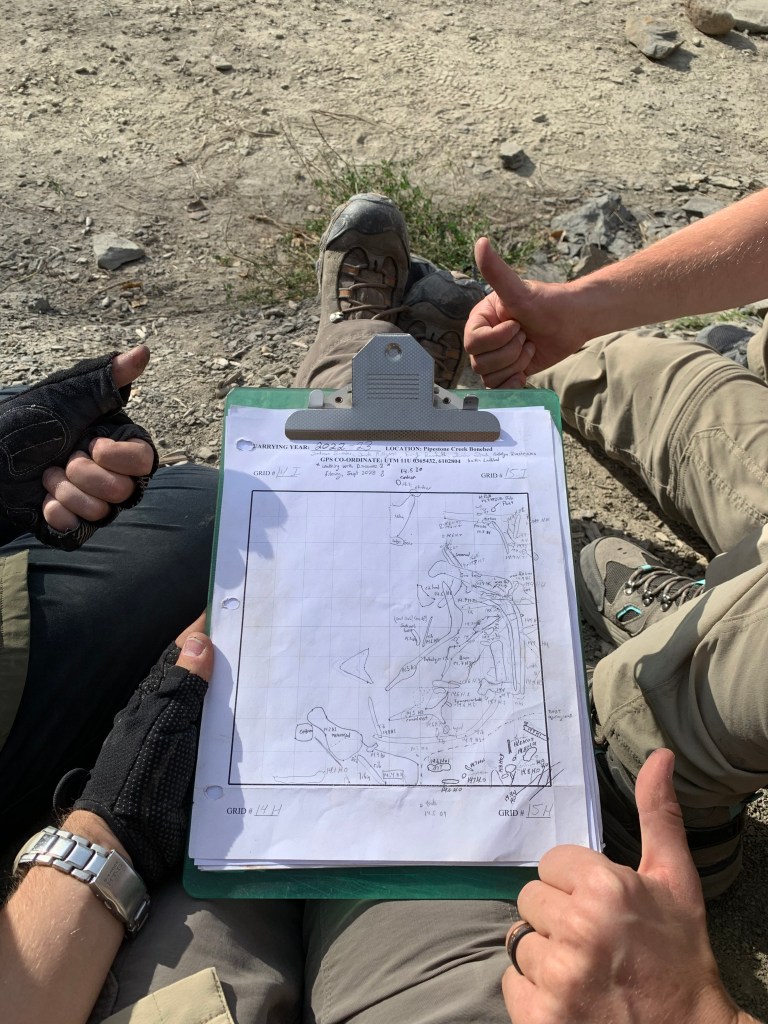
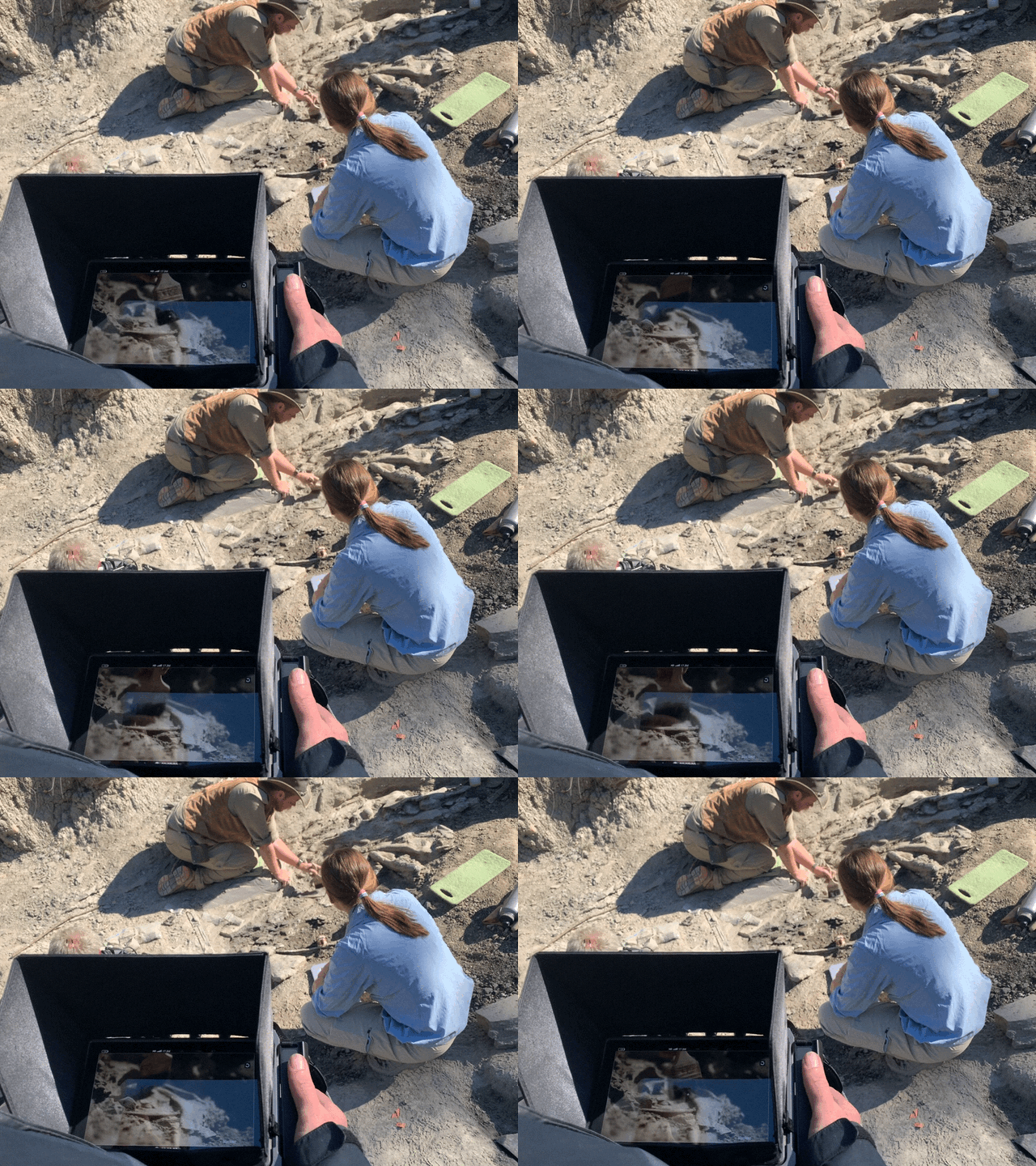
Jack and Kailtin were invited by Dr. Emily Bamforth, curator of the Philip J. Currie Dinosaur Museum in Wembley, Alberta, to partake in filming of the series, where they excavated bones of Pachyrhinosaurus from the famous Pipestone Creek Bonebed, which has produced thousands of bones since the 1970’s. Fossils that were found during the filming were small juvenile bones, a rib with a pathology, and large frill bones. All these bones were mapped and observed using both traditional and modern methods, including a grid square and 3D scanning software, respectively.

A segment of the episode shows Dr. Bamforth going to a tyrannosaur track site to take silicone moulds of the tracks to study their morphology and discuss the possible tracemaker. This site was published in PLOS One, “The dinosaur tracks of Tyrants Aisle: An Upper Cretaceous ichnofauna from Unit 4 of the Wapiti Formation (upper Campanian), Alberta, Canada” by Enriquez et al., 2022.

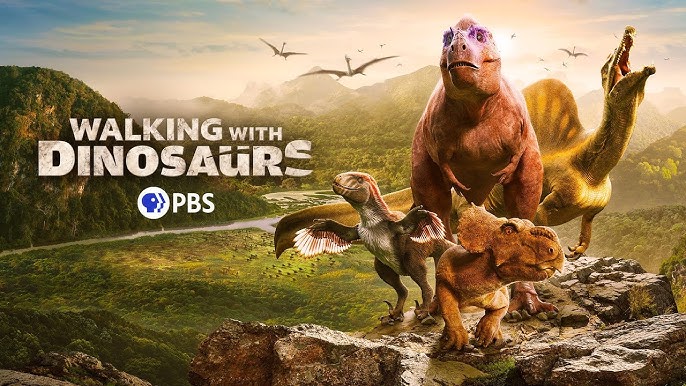
Walking with Dinosaurs is available now to buy on physical media and on streaming. Check out the official trailer and a behind-the-scenes featurette featuring Jack!
Listen to CBC Saskatoon Morning and CBC Saskatchewan The Morning Edition radio interviews with both Jack and Kaitlin talking about their experience being involved in the production of the show.

Written by Jack Milligan
Grasslands National Park Fieldwork 2024

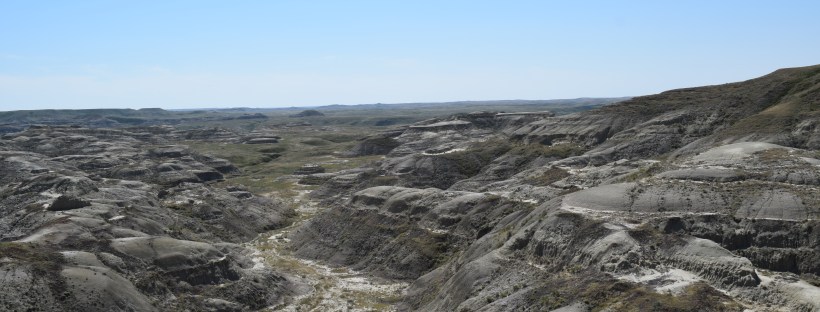
Towards the end of the summer, I had the opportunity to continue fieldwork at two multitaxic Edmontosaurus quarries within the Uppermost Cretaceous Frenchman Formation in the East Block of Grasslands National Park in southern Saskatchewan under the supervision of Dr. Emily Bamforth of the Philip J. Currie Dinosaur Museum and Dr. Ryan McKellar of the Royal Saskatchewan Museum. These excavations have been ongoing and have yielded some fantastic fossil specimens and interesting geology.

We collected a limb bone (tibia) from one of our two Edmontosaurus quarries, called the “Leo” quarry. The tibia shows feeding traces as evidenced by well-defined tooth marks. During the excavation of the tibia, a shed tooth from a tyrannosaurid (Tyrannosaurus rex) was collected from the same depositional layer. This association of tooth traces on Edmontosaurus bones and T. rex teeth suggests that Leo was scavenged during subaerial exposure on a floodplain within a meandering fluvial system. Limb bones have a high likelihood of being consumed due to large locomotor muscles being present (a great food source for predators like T. rex), and thus will tend to have more tooth traces on the bone.

On an adjacent butte within the same depositional layer as the “Leo” quarry, there is a point bar deposit containing a second active quarry named the “Clifford quarry. While the Edmontosaurus in this quarry has yet to produce elements with tooth marks, teeth from T. rex and the crocodyliform Borealosuchus have shown up this past season. Adding to the mystery of this quarry, several articulated turtle skeletons have been collected from this deposit, showing no evidence of being scavenged.

Tooth marks have been a widely debated aspect of vertebrate ichnology. Recently, the category-modifier (CM) system was proposed by Wyenberg-Henzler et al., 2024, as a method to identify different morphologies of tooth marks and their associated behaviours. While not strictly defined within a traditional ichnological framework, it is the most comprehensive overview of tooth marks on bones in the literature to date. Based on the CM system, the tooth marks left on the Edmontosaurus tibia appear to be internally chattered, referring to the crescentic depression on the inside of the tooth mark. Shed carnivore teeth from both quarries suggest that the dominant predators within this ecosystem were crocodyliforms and tyrannosaurs.

Further excavation of the quarries is required, and research into the taphonomy of these two Edmontosaurus quarries is ongoing, but there are sure to be some exciting discoveries to be made in future field seasons!

Written by Jack Milligan

Ichnoplanet student challenges interpretations of dinosaur behaviour through paleoart

Photo by Jack Milligan

Recently, Ichnoplanet master’s student Kaitlin Lindblad has had her fantastic artistic work featured in the Department of Geology at the University of Saskatchewan, focusing on depicting dinosaurs behaving in ways not commonly seen. Aside from her studies, she is a paleoartist who uses digital painting techniques to bring ancient ecosystems to life for the purposes of entertainment, education and outreach, and scientific communication in the literature.

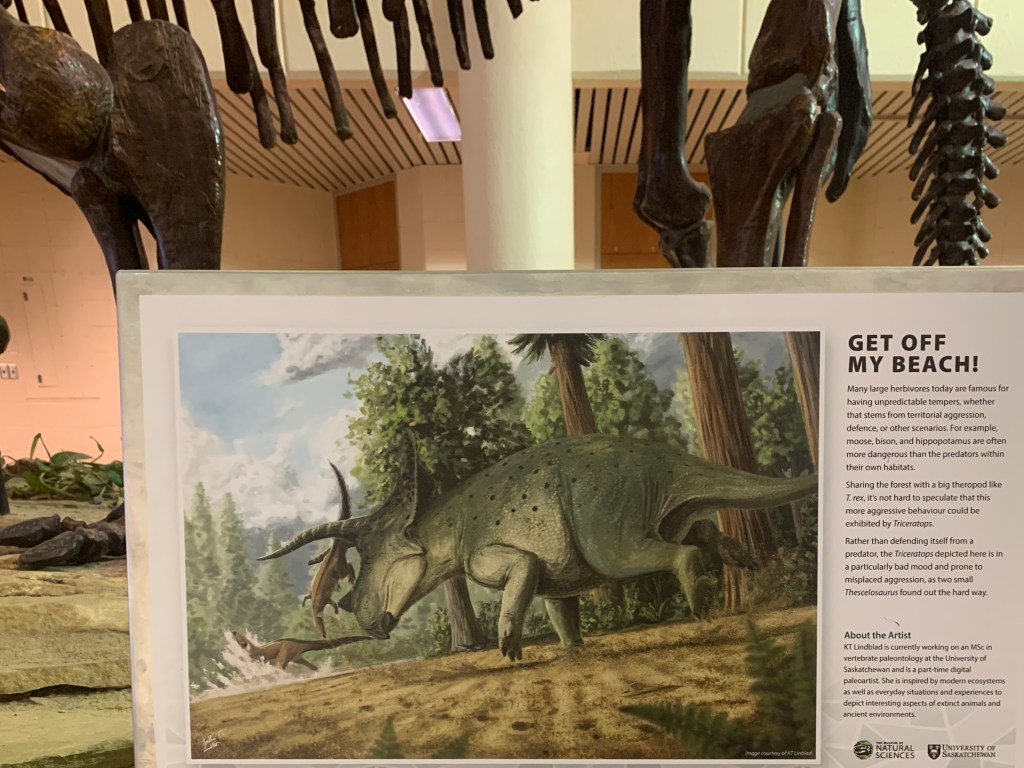
The pieces she has done for the museum include a Tyrannosaurus rex scratching its back on a tree, and a Triceratops aggressing against two Thescalosaurus. She is hard at work creating more pieces for the museum, and our research group! We’re excited for what awesome piece she’ll come up with next.

Read her story in USask News. Listen to her radio interviews with CBC Regina and CBC Saskatoon. Check out Kailtin’s profile here.

Written by Jack Milligan

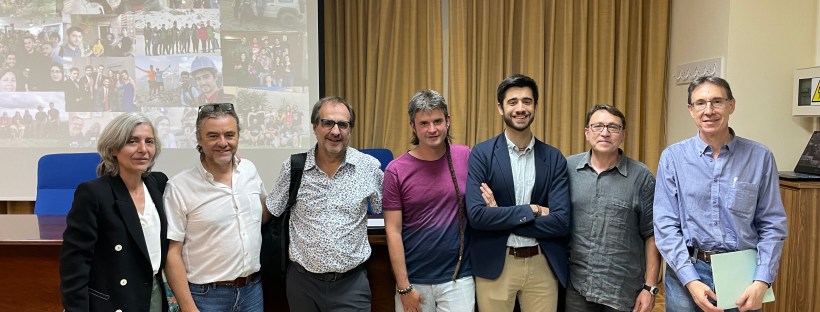
Manuel Pérez-Pueyo, Doctor of Science from the University of Zaragoza

Ichnoplanet would love to congratulate Dr. Manuel Pérez-Pueyo on his successful Ph.D. thesis defense at the University of Zaragoza, Zaragoza, Spain. His thesis is titled; “Contributions of the Tremp Fm (upper Maastrichtian) in Ribagorza (Aragonese Pyrenees, Huesca) to the knowledge of finicretaceous vertebrate communities on the Ibero-Armorican island.” Our own Luis Buatois was an external supervisor of this research. You can read more about Dr. Manuel Pérez-Pueyo’s research here.

We’re excited to hear about this outstanding accomplishment, and can’t wait to see where Manuel goes next!

Written by Jack Milligan