Ichnology of the Ediacaran–Cambrian Chapel Island Formation of Newfoundland, Canada

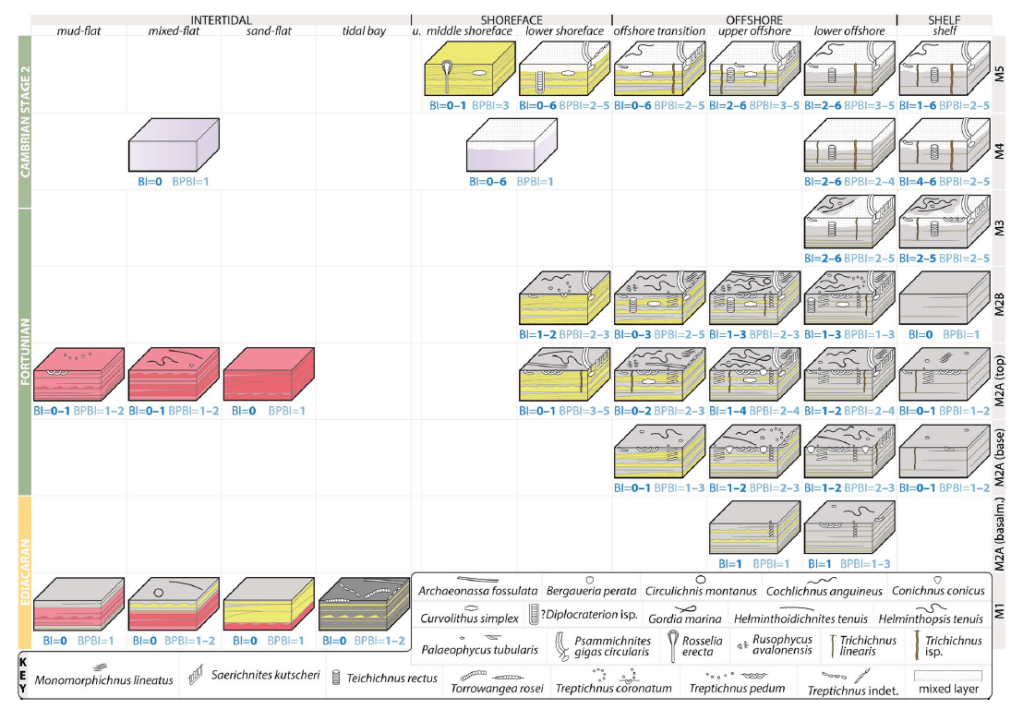
Dr. Romain Gougeon, Dr. Gabriela Mángano, Dr. Luis Buatois, Dr. Guy Narbonne, Dr. Brittany Laing, and Dr. Maximiliano Paz have just published their research on bioturbation at the onset of the Cambrian Explosion within the monograph series Fossils and Strata. This is the culmination of 4 field seasons that took place from 2016 to 2021 at the Cambrian-type section in Newfoundland. The monograph consists of a comprehensive ichnotaxonomic review that is essential to understanding the Cambrian explosion from a trace-fossil perspective.

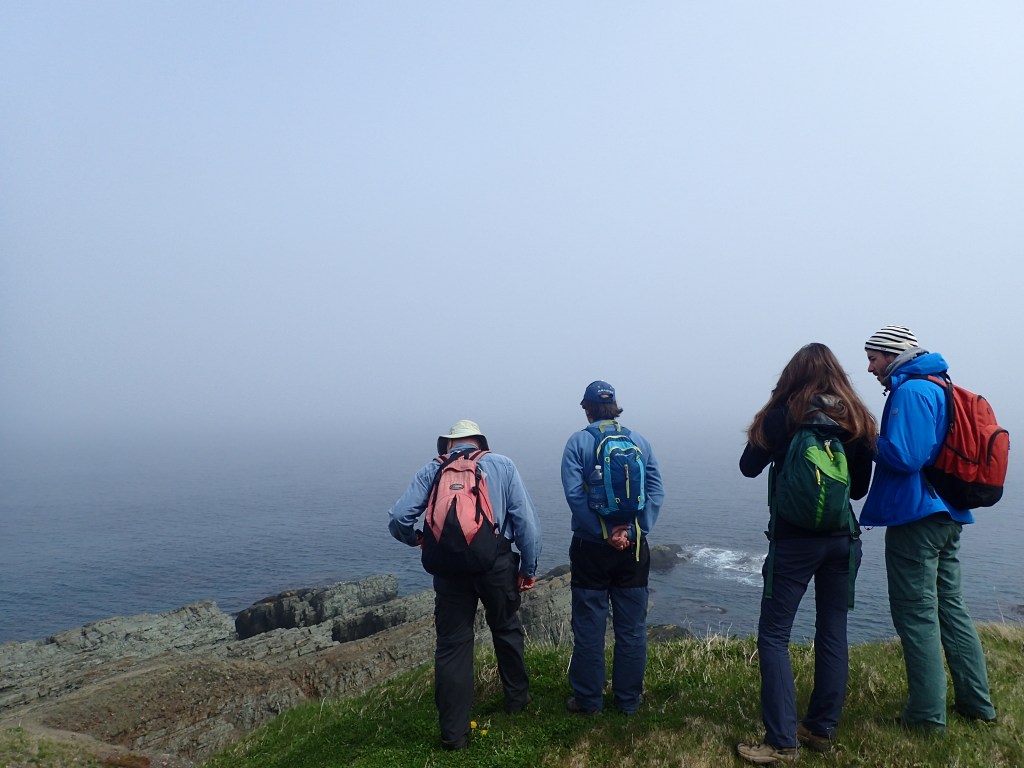
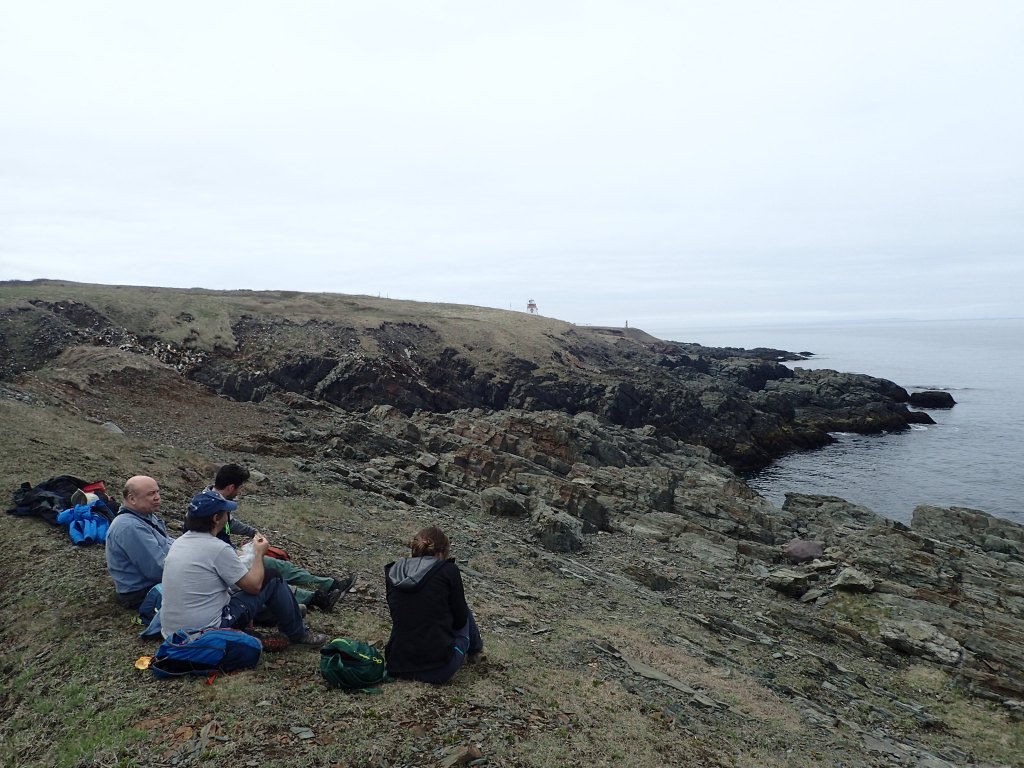
Romain Gougeon and colleagues conducting fieldwork in Newfoundland, Canada. See Fossils and Strata for open access monograph.

The Chapel Island Formation is a 1000+ m-thick, mainly siliciclastic succession that is well-exposed in coastal cliffs of Burin Peninsula, southeastern Newfoundland, eastern Canada. This unit contains an outstanding record of the transition from the Ediacaran (635–538 Ma) to the Cambrian (538–487 Ma). Fossils from the Chapel Island Formation include an incredible diversity of trace fossils, with some intervals rich in small shelly fossils. The monograph integrates sedimentologic and ichnologic information for the whole formation, reinforces the status of the current Cambrian Global Stratotype Section and Point for the Cambrian System, and advocates for the need for more comprehensive and multi-disciplinary approaches and studies to fully decipher the scale, tempo, and loci of the early evolution of animal life on Earth.
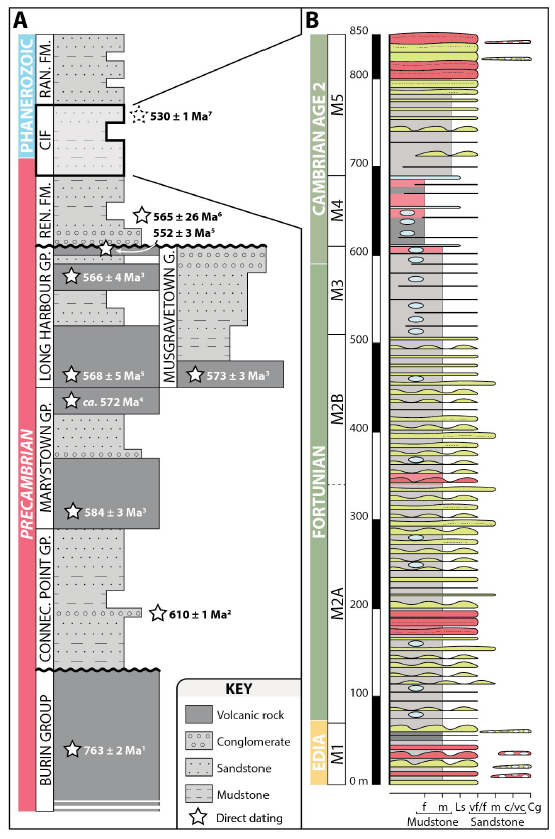
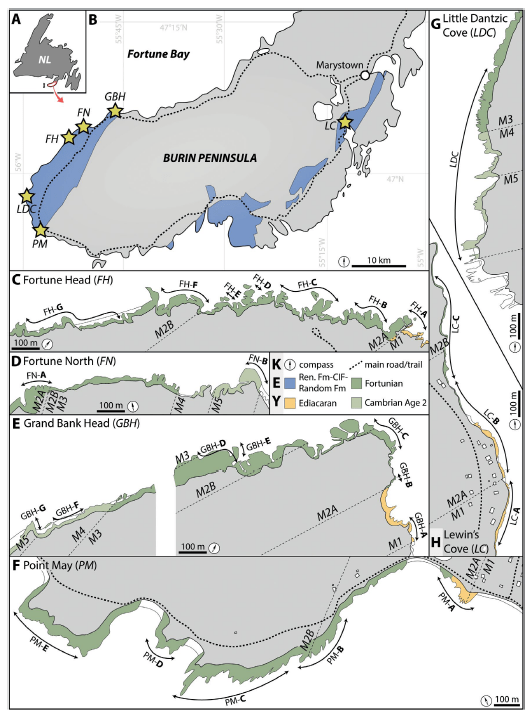
Congratulations to Romain and the team on this incredible achievement! You can check out Romans’ ResearchGate profile here, where you can read other studies he’s authored on the Chapel Island Formation throughout the years. These include the origin of the shelf sediment mixed layer and the impact of outcrop quality on trace fossil datasets.

Written by Jack Milligan and Romain Gougeon
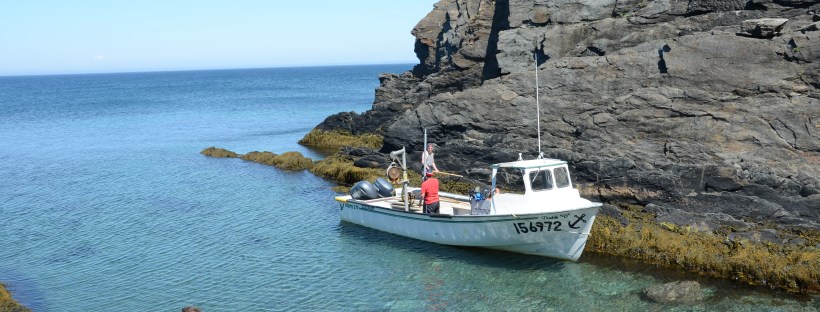
Congrats to Dr. Brittany Laing!

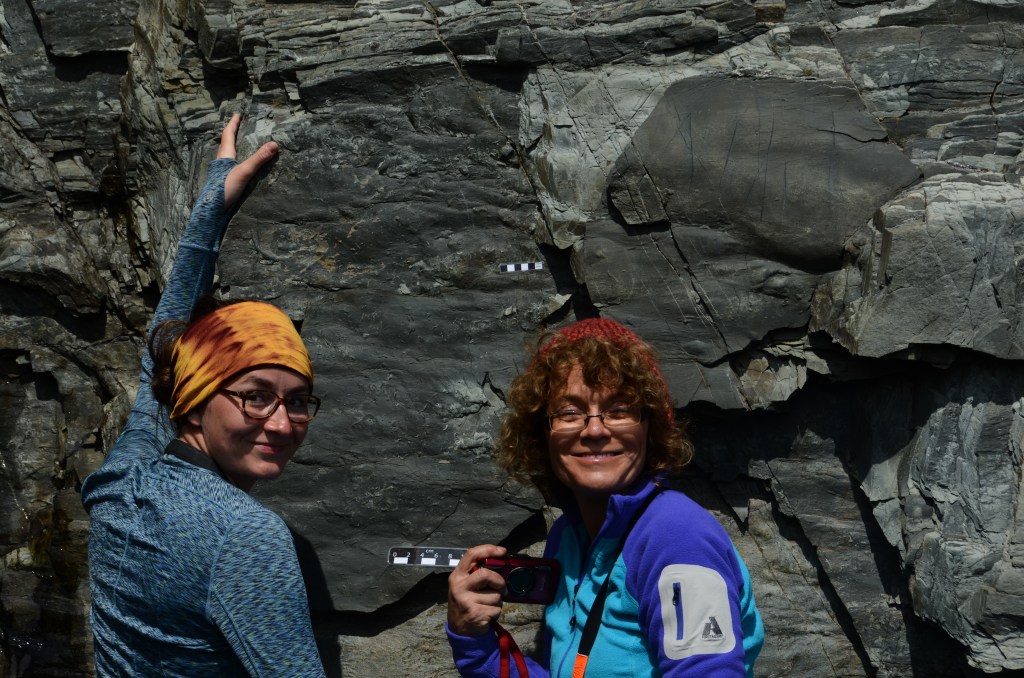
We would love to congratulate Dr. Brittany Laing on her recent successful PhD defence! Her thesis focused on the behavioural evolution and ecological impact of organisms as seen through trace fossils, specifically applying theories and methodologies from mathematics & behavioural biology to trace fossil datasets in order to quantitatively examine behavioural and ecological changes through time. She also completed a master’s degree with our research group where she studied the ichnology at the Ediacaran and Cambrian GSSP in Newfoundland, Canada. She is also to thank for the Ichnoplanet website!

We are forever grateful for your contributions and wish you all the best in your future endeavours!

Written by Jack Milligan

Meet Himatiichnus mangano!

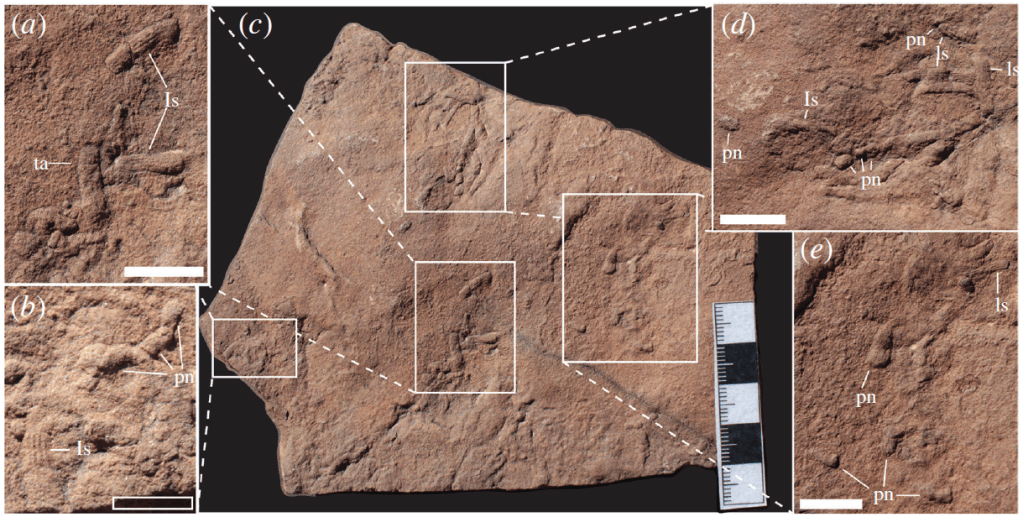
Recently, an international team of ichnologists led by Katherine A. Turk described a new ichnogenus from the late Ediacaran Huns Member of the Urusis Formation in southern Namibia. They described a series of meandering, intertwining tubes exhibiting dual lineation patterns preserved in convex relief, appearing to disappear into the sediment and reemerge on the sediment surface. The distal terminal ends of the tubes are rounded and bulbous. Modern priapulid worms have produced such structures via peristaltic probing. This is similar to the famous Ediacaran-Cambrian biostratigraphic marker trace fossil Treptichnus pedum, also attributed to priapulid worms.

Figure 2 from Turk et al., 2024 showing the holotype of Himatiichnus mangano. See paper here.

The team also noted that these new trace fossils represented the earliest occurrence of Scalidophora, and are much like those traces of worms in the Cambrian, suggesting ecological interactions typical of the Cambrian Explosion appeared earlier than previously thought (the long fuse hypothesis). The morphological evidence pointed to these trace fossils being a novel ichnogenus and ichnospecies. The team gave the trace fossils the name Himatiichnus mangano, named after our very own Dr. M. Gabriela Mángano!

We couldn’t agree more with this decision, as Dr. Mángano has not only spent her career furthering the field of ichnology from all aspects, but has also contributed greatly to research on the Ediacaran-Cambrian transition around the world. Congrats, Dr. Mangano, on this great honour and achievement!

Get the scientific paper in Royal Society Open Science here.

Written by Jack Milligan