
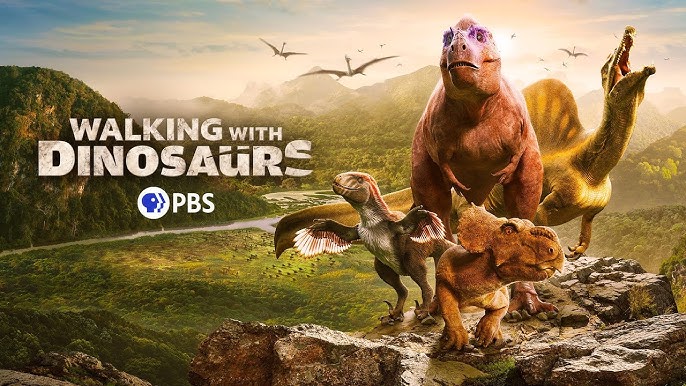
Dinosaur documentaries have been a great way to communicate the science of paleontology and dinosaurs to a wide audience. Recently, Walking with Dinosaurs has returned with a new version since its original inception in 1999. This time, two Ichnoplanet students make an appearance in one of the episodes!
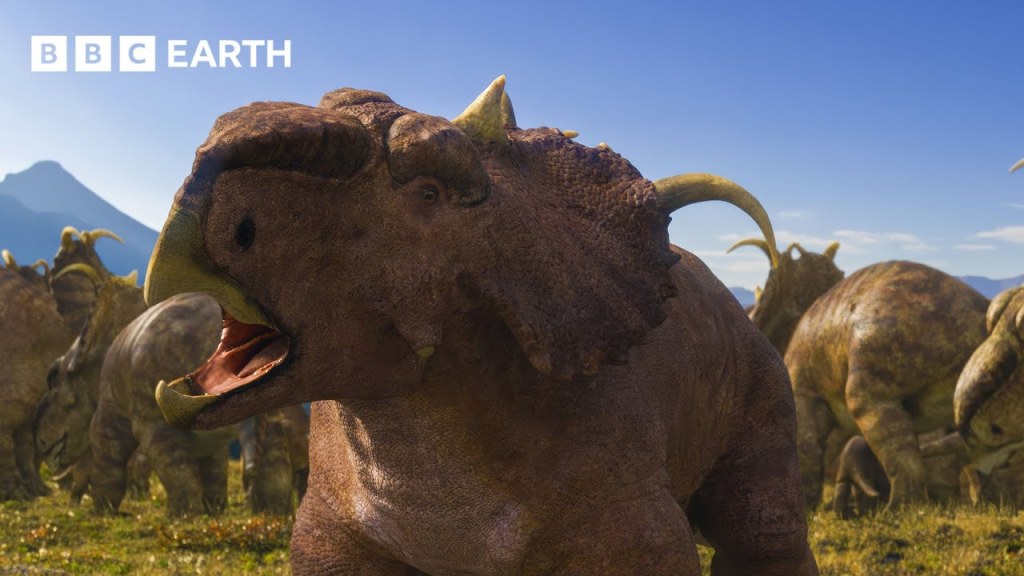
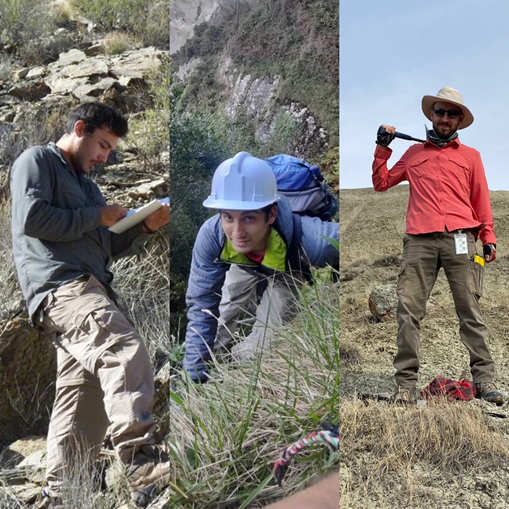
Jack Milligan and Kaitlin Lindblad feature as part of the field crew during the fifth episode of the new series, titled “The Journey North.” The episode centres on a megaherd of the ceratopsian Pachyrhinosaurus lakustai, as they migrate across the forests, floodplains and rivers of paleonorthern northwestern Alberta during the Campanian stage of the late Cretaceous period. On their journey, they face many dangers, such as infighting among their own, fearsome predators such as the tyrannosaur Gorgosaurus, and sudden flash floods.
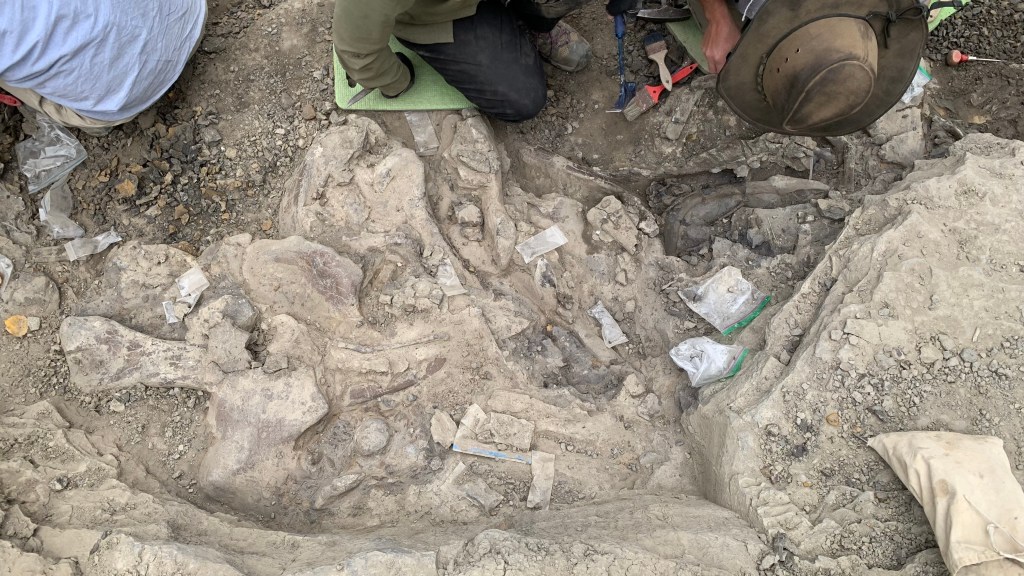
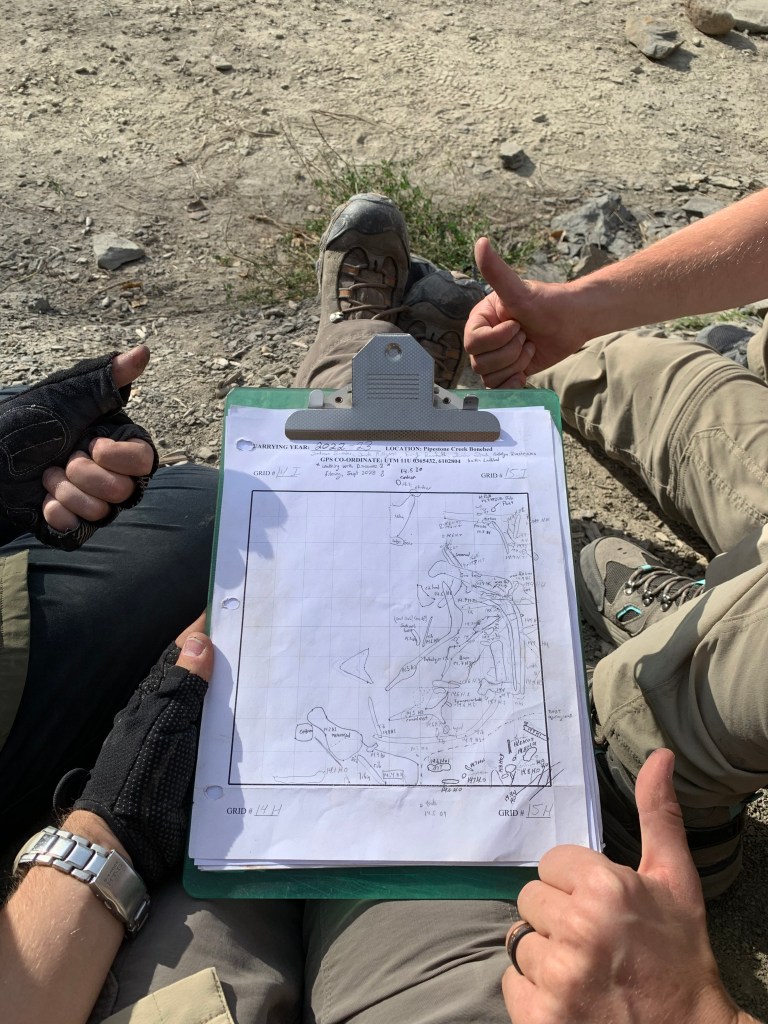
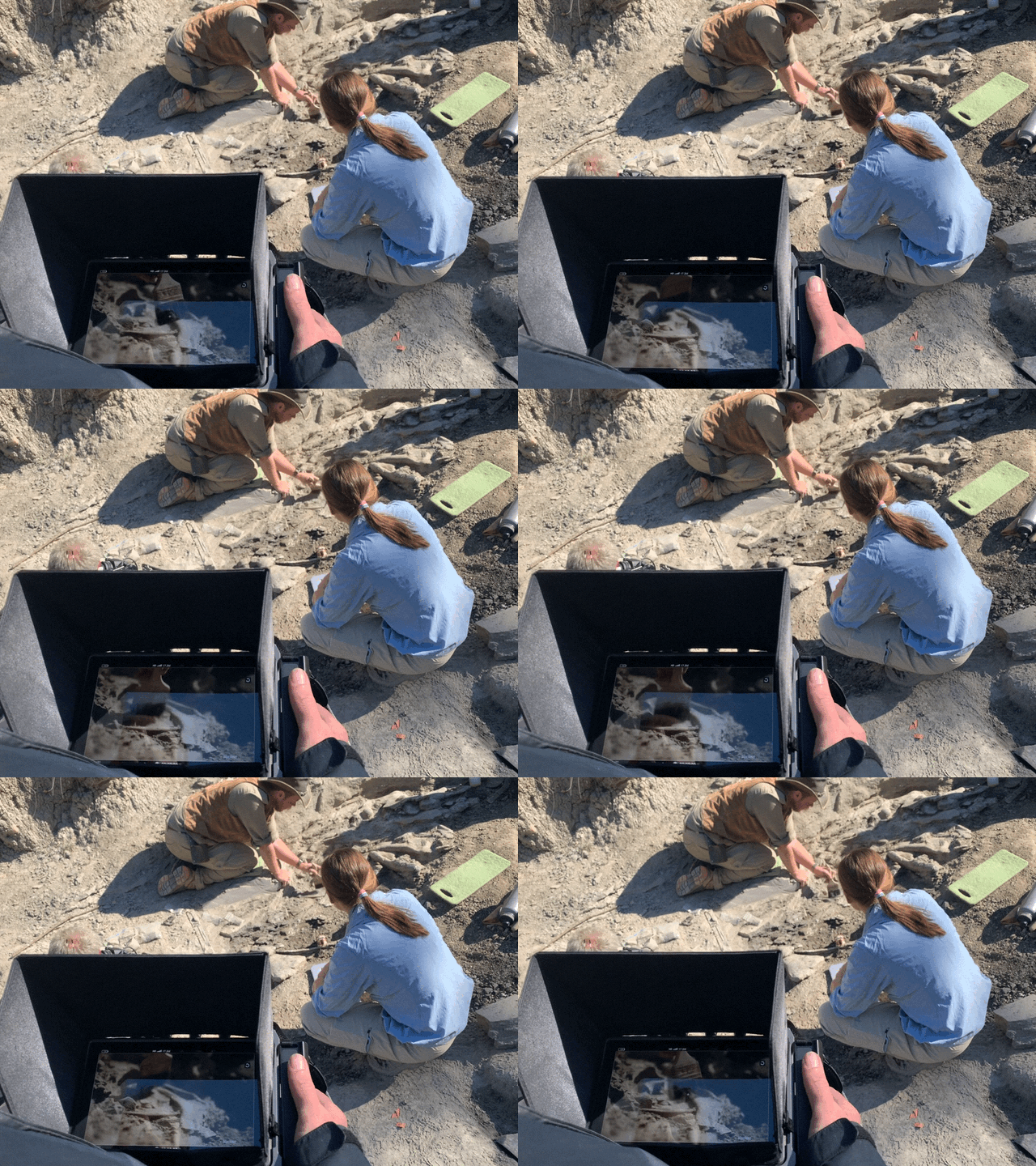
Jack and Kailtin were invited by Dr. Emily Bamforth, curator of the Philip J. Currie Dinosaur Museum in Wembley, Alberta, to partake in filming of the series, where they excavated bones of Pachyrhinosaurus from the famous Pipestone Creek Bonebed, which has produced thousands of bones since the 1970’s. Fossils that were found during the filming were small juvenile bones, a rib with a pathology, and large frill bones. All these bones were mapped and observed using both traditional and modern methods, including a grid square and 3D scanning software, respectively.
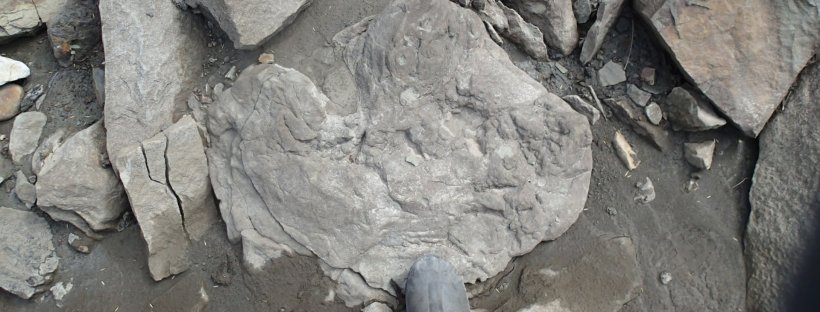
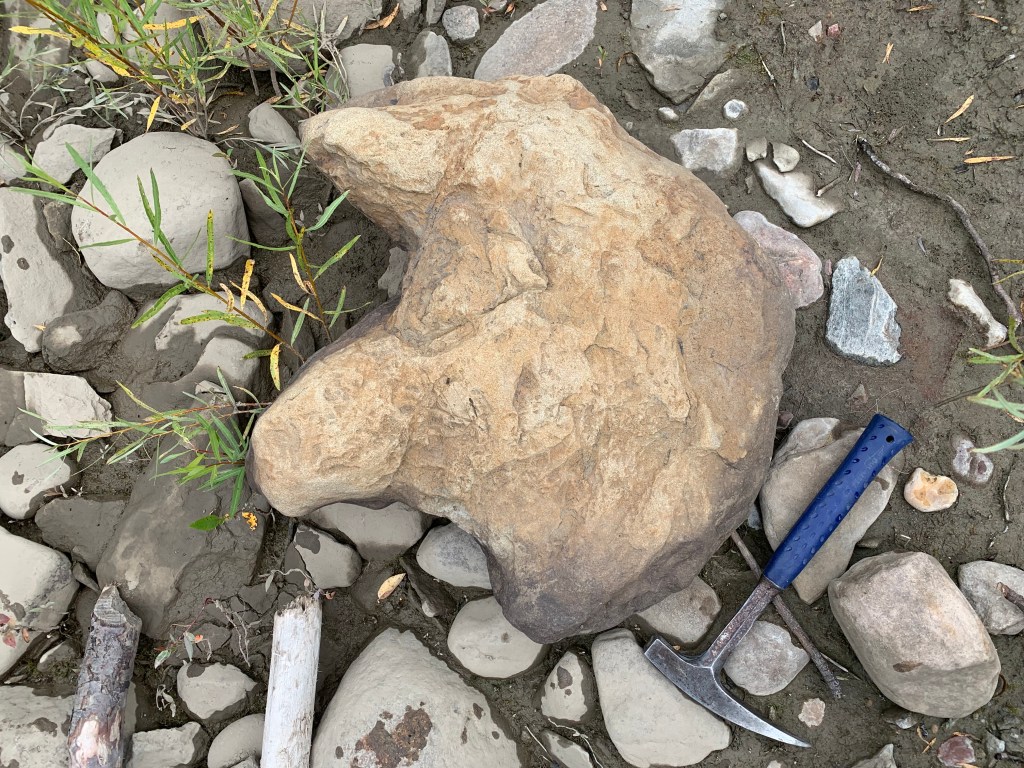
A segment of the episode shows Dr. Bamforth going to a tyrannosaur track site to take silicone moulds of the tracks to study their morphology and discuss the possible tracemaker. This site was published in PLOS One, “The dinosaur tracks of Tyrants Aisle: An Upper Cretaceous ichnofauna from Unit 4 of the Wapiti Formation (upper Campanian), Alberta, Canada” by Enriquez et al., 2022.
Walking with Dinosaurs is available now to buy on physical media and on streaming. Check out the official trailer and a behind-the-scenes featurette featuring Jack!
Listen to CBC Saskatoon Morning and CBC Saskatchewan The Morning Edition radio interviews with both Jack and Kaitlin talking about their experience being involved in the production of the show.
Written by Jack Milligan
 ichnoplanet.ca