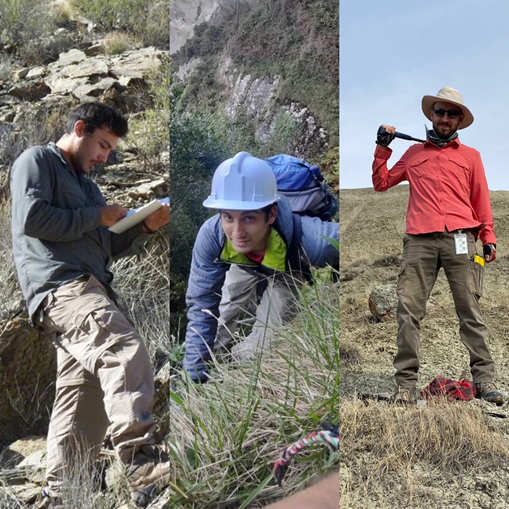
Ichnology of the Ediacaran–Cambrian Chapel Island Formation of Newfoundland, Canada

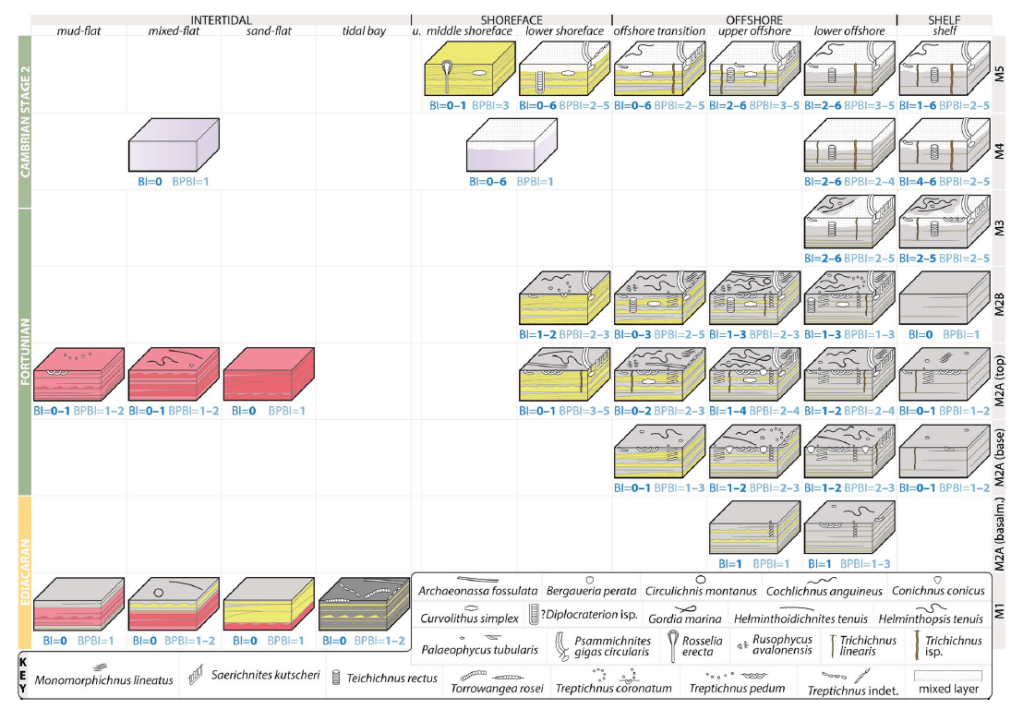
Dr. Romain Gougeon, Dr. Gabriela Mángano, Dr. Luis Buatois, Dr. Guy Narbonne, Dr. Brittany Laing, and Dr. Maximiliano Paz have just published their research on bioturbation at the onset of the Cambrian Explosion within the monograph series Fossils and Strata. This is the culmination of 4 field seasons that took place from 2016 to 2021 at the Cambrian-type section in Newfoundland. The monograph consists of a comprehensive ichnotaxonomic review that is essential to understanding the Cambrian explosion from a trace-fossil perspective.

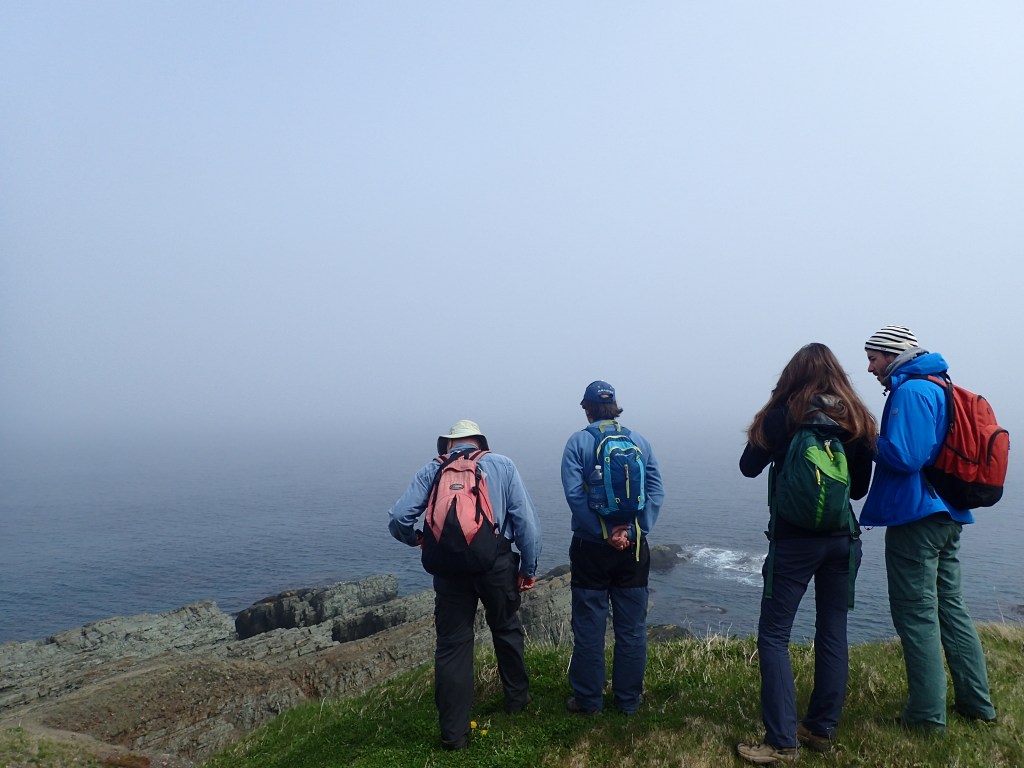
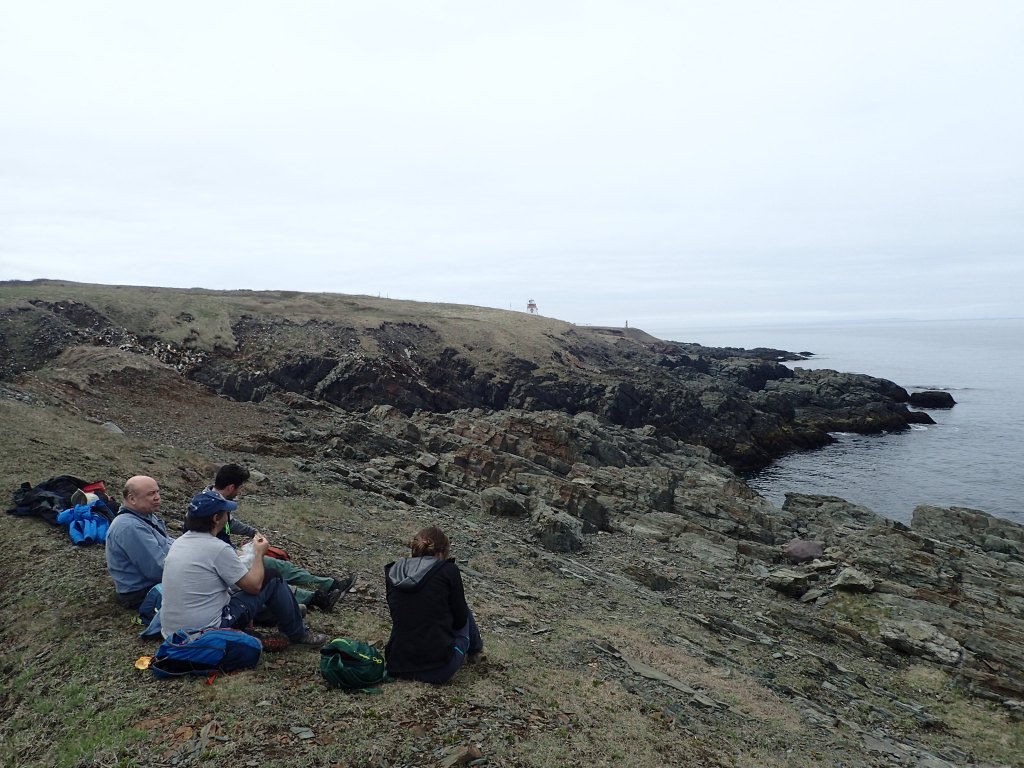
Romain Gougeon and colleagues conducting fieldwork in Newfoundland, Canada. See Fossils and Strata for open access monograph.

The Chapel Island Formation is a 1000+ m-thick, mainly siliciclastic succession that is well-exposed in coastal cliffs of Burin Peninsula, southeastern Newfoundland, eastern Canada. This unit contains an outstanding record of the transition from the Ediacaran (635–538 Ma) to the Cambrian (538–487 Ma). Fossils from the Chapel Island Formation include an incredible diversity of trace fossils, with some intervals rich in small shelly fossils. The monograph integrates sedimentologic and ichnologic information for the whole formation, reinforces the status of the current Cambrian Global Stratotype Section and Point for the Cambrian System, and advocates for the need for more comprehensive and multi-disciplinary approaches and studies to fully decipher the scale, tempo, and loci of the early evolution of animal life on Earth.
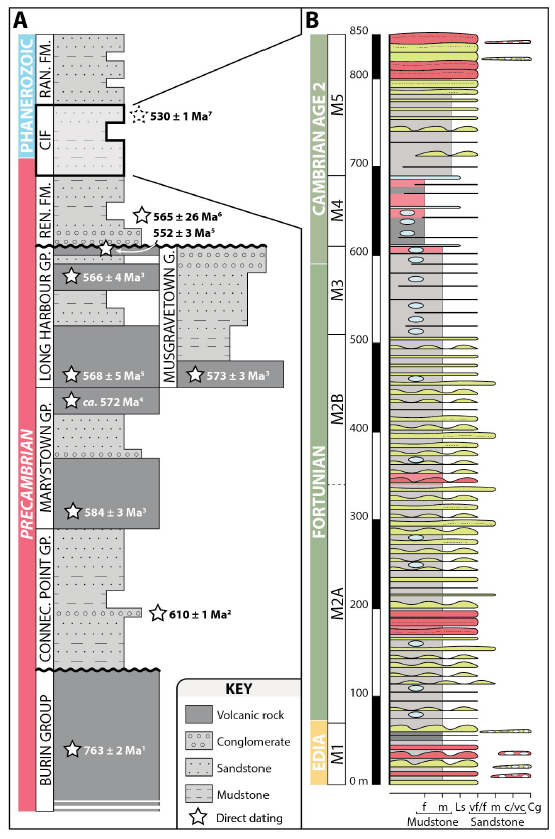
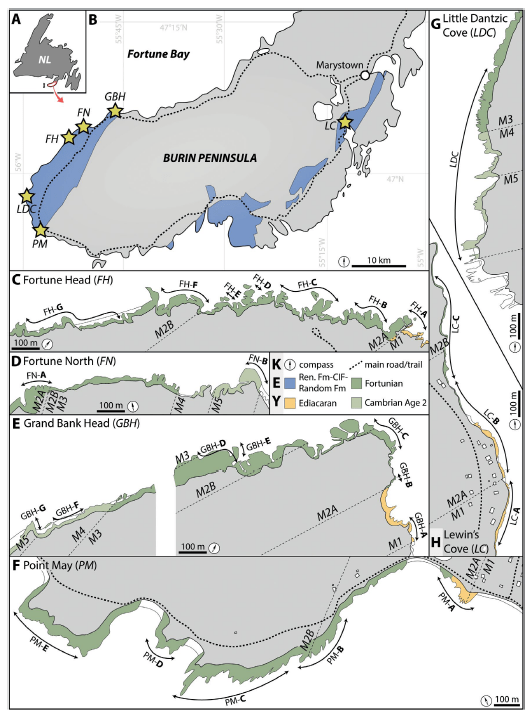
Congratulations to Romain and the team on this incredible achievement! You can check out Romans’ ResearchGate profile here, where you can read other studies he’s authored on the Chapel Island Formation throughout the years. These include the origin of the shelf sediment mixed layer and the impact of outcrop quality on trace fossil datasets.

Written by Jack Milligan and Romain Gougeon
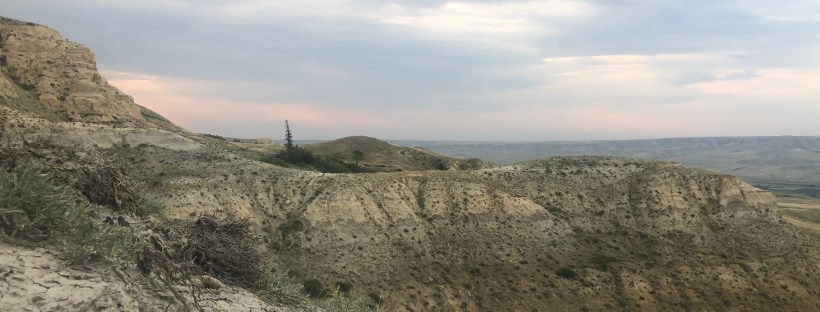
Eastend Summer Fieldwork 2024

Throughout this past summer, I had the opportunity to volunteer with the Saskatchewan Geologic Survey under Dr. Meagan Gilbert in my hometown of Eastend, Saskatchewan. This project aimed to characterize the stratigraphy and depositional environments of the Upper Cretaceous and lower Paleogene of southwest Saskatchewan.

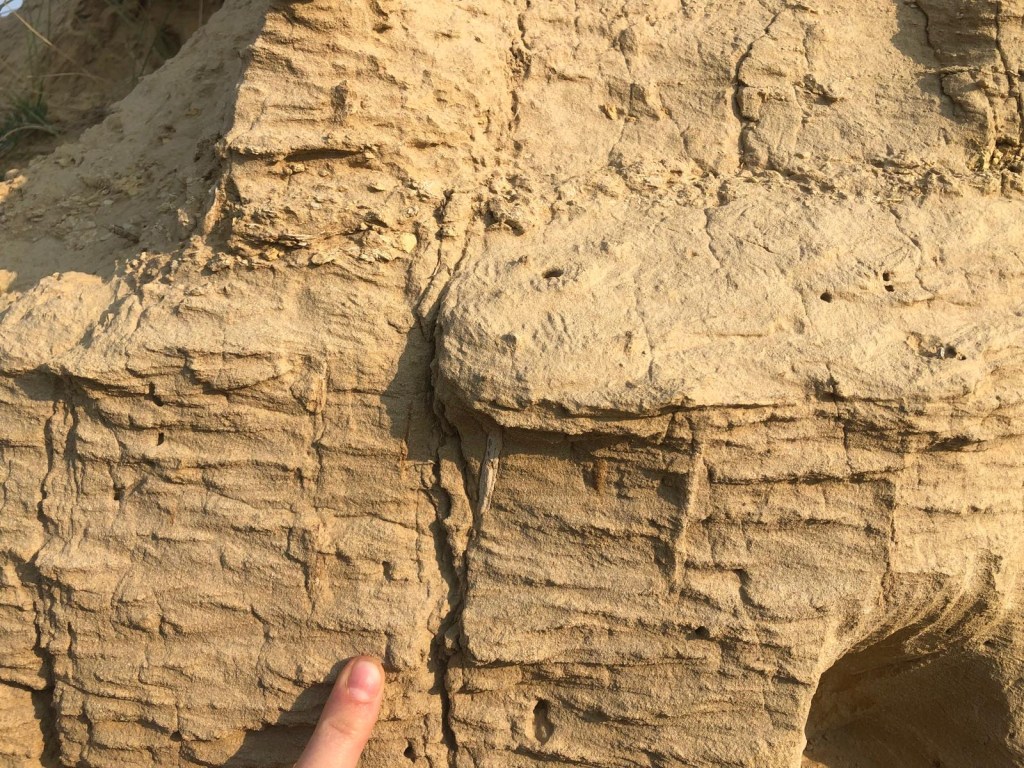
Skolithos isp. in a crossbedded sandstone fluvial channel deposit in the buff facies of the Upper Ravenscrag Formation in southwestern Saskatchewan. Photo provided by Mollie Black

We went to many different geologic outcrops around the town of Eastend. A typical day consisted of taking measurements and samples (so many samples) across the section. A section was first chosen based on the extent of exposed bedrock and then measured from the lowermost exposed bedrock to the top. It wasn’t all just rocks, though! We also found many neat trace fossils and plant fossils, including many just above the KPg boundary.

A huge thank you to all landowners who allowed access to their land.

Written by Mollie Black and Dr. Meagan Gilbert

Congrats to Ichnoplanet masters students!

We have had a busy summer, and we want to start by congratulating Jack Milligan, Kaitlin Lindblad, Federico Wenger, and Kathrine Thue for successfully defending their M.Sc. theses!

Jack studied the depositional context of bioeroded dinosaur bones from the upper Cretaceous of Saskatchewan; Kaitlin studied the biogeography, environment and paleoecology of crocodylians from the northern plains; Federico studied the ichnodiversity and bioturbation of Devonian shallow marine deposits in Argentina, and Kathrine studied the sedimentology and ichnology of Silurian-Devonian deposits in Asturias, Spain.

Once again, congrats to these new masters of ichnology!

Written by Jack Milligan

Congrats Dr. Andrei Ichaso!

Last week, our own Andrei Ichaso successfully defended his doctoral thesis! His thesis focused on the stratigraphy, sedimentology, and ichnology of the middle Cambrian to Early Ordovician Deadwood Formation in western Canada and the midwestern United States. Congratulations Dr. Ichaso!

Andrei’s doctoral thesis earned him the University of Saskatchewan Graduate Thesis Award in the Physical & Engineering Sciences category from the College of Graduate & Postdoctoral Studies at USASK. Congratulations Andrei!

Check out Andrei’s ICHNOPLANET profile here.

Written by Jack Milligan

Three Ichnoplanet students at the University of Saskatchewan receive awards from the International Association of Sedimentologists!

Dr. Maximiliano Paz has received the International Association of Sedimentologists (IAS) Postdoctoral Research Grant. He is currently studying the sedimentology and ichnology of the Cambrian-Ordovician Los Cabos Series. These funds will be used to cover one month of fieldwork expenses to log 4000 m of the succession in the rocky cliffs of western Asturias, Spain.

Jack Milligan has received the IAS Judith McKenzie Fieldwork Award. He is studying the sequence stratigraphy and taphonomy of dinosaur bones including describing osteic bioerosion trace fossils from the latest Cretaceous Frenchman Formation. This funding will cover fieldwork expenses to measure coastal floodplain and fluvial outcrops along the Frenchman River Valley of southwestern Saskatchewan.

Federico Wenger also received the IAS Judith McKenzie Fieldwork Award. He will be studying the sequence stratigraphy and ichnology including the degree of bioturbation, ichnodisparity, and ichnodiversity to understand the different environmental zones of the Devonian Talacasto Formation, in the geological province of Precordillera, western Argentina. This funding will help finance the trip to the study area.

Congratulations to Maximiliano, Jack, and Federico, and best of luck with your fieldwork, and thank you to the International Association of Sedimentologists for helping fund Ichnoplanet research at USask!

Written by Jack Milligan